Must-Visit Places in Hunza 2026
Table of Contents
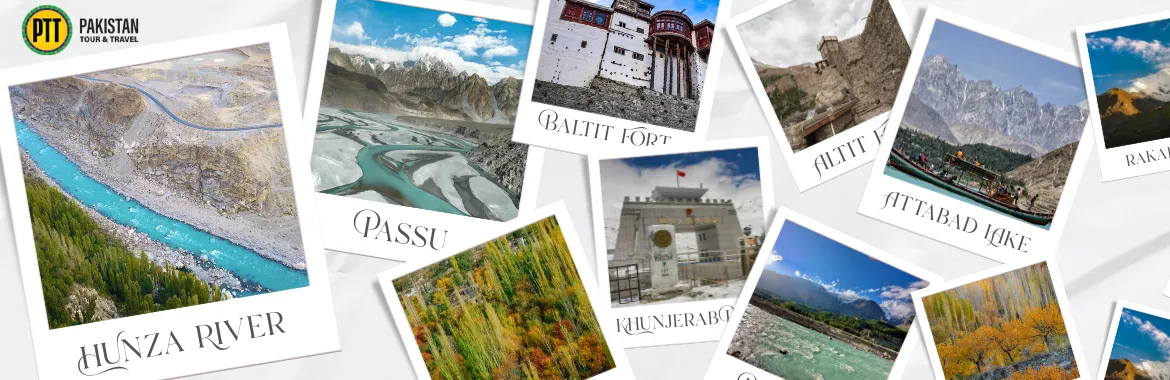
If there’s one place that still feels like a well-kept secret while welcoming more travelers every year, it’s Hunza Valley. In 2026, this slice of paradise in Gilgit-Baltistan continues to earn its title as Pakistan’s crown jewel of tourism. Imagine waking up to snow-dusted peaks of the Karakoram range, sipping apricot tea as golden sunlight dances on turquoise waters, and chatting with locals whose smiles carry centuries of warm hospitality.
In 2025, Hunza Valley saw an estimated 1.5 to 2 million domestic and international tourists, making it one of the most visited destinations in northern Pakistan.
Hunza isn’t just about jaw-dropping scenery; it’s the cultural richness, the ancient forts whispering stories of kings and the Great Game, the fresh mountain air that clears your mind, and the sense of stepping into a living postcard. Accessibility has improved with better road maintenance on the legendary Karakoram Highway (KKH) and reliable flights to Gilgit, making it easier than ever for a 2026 trip. Whether you’re chasing adventure, peace, or cultural immersion, Hunza Valley tourism in 2026 promises an experience that lingers long after you return home. Ready to plan your Hunza Valley travel guide-worthy journey? Let’s find out.
Quick Hunza Travel Overview 2026
| Travel Detail | Information |
| Best duration | 5 to 7 days |
| Best months | April to October |
| Best for | Families, couples, photographers, nature lovers |
| Main route | Islamabad → Besham/Naran → Chilas → Gilgit → Hunza |
| Famous areas | Karimabad, Altit, Attabad, Gulmit, Passu, Sost, Khunjerab |
| Recommended stay | Karimabad or Attabad/Gulmit |
| Travel style | Road trip, private travel, family getaways, honeymoon trips |
How to Reach Hunza Valley: Routes & Realistic Travel Tips
Getting to Hunza feels like part of the adventure. The journey itself is storytelling, rivers carving through gorges, dramatic cliffs, and roadside chai stops where locals share tales over fresh naan.
From Islamabad (most common starting point):
By road via KKH:
Islamabad → Abbottabad/Mansehra → Besham or Naran → Chilas → Gilgit → Hunza
The classic 620–650 km route takes 14–18 hours (plan for 2 days with an overnight in Chilas or Besham for comfort). You’ll cruise the Hazara Motorway before hitting the scenic (and sometimes bumpy) stretches through Besham, Dasu, Chilas, and Gilgit. Road conditions in 2026 are generally good on main sections, but watch for occasional landslides after rain; check NDMA updates. Fuel stops and simple eateries are plentiful; local hospitality shines here with quick smiles and helpful directions.
During summer, many travelers prefer the Naran-Babusar route because it is scenic. However, this route is seasonal and depends on weather and snow conditions. During winter or when Babusar Pass is closed, travelers usually use the Besham-Karakoram Highway route.
Travel Tips for Road Journey
- Start early in the morning
- Keep snacks and water
- Carry warm clothes
- Avoid unnecessary night travel
- Check road conditions before departure
- Keep cash because card facilities may be limited
- Use experienced mountain drivers
By air via Gilgit Airport – Nearest Airport to Hunza
From Islamabad: Fly from Islamabad to Gilgit (about 1 hour, weather-dependent), then drive 1.5–2.5 hours to Karimabad/Hunza. This saves time and energy for exploring.
From Lahore: Weekly flight from Lahore to Gilgit operated by PIA, you can always check for the latest information. However, if you take a road trip, it would be around 900+ km (16–20 hours, with stops). It’s always easy to book a private tours that offer comfortable transportation, making it manageable.
From Karachi: There are direct flights to Gilgit from Karachi, and from there, it takes about 2 to 3 hours to reach Hunza via the Karakoram Highway. If you take a road trip, it’s epic but way too long, best for those who love adventure.
Travel options:
Flights to Gilgit: Fastest for time-conscious travelers.
Road trips via KKH: Most immersive, rent a 4×4 with a driver or explore the valley locally.
Bus services: NATCO, Faisal Movers, or private operators offer budget-friendly (but longer) rides.
Guided options: Ideal for families or first-timers; they handle checkpoints and logistics.
Best seasons for safe travel: May–October is prime. Summer (June–August) offers stable weather and open trails, though it can get busy. Spring brings blossoms; autumn paints the valley in golden hues with fewer crowds. Winters are magical but snowy, with potential road challenges, and Khunjerab Pass is often closed from November to March. Always check road conditions and weather apps before heading out.
Carry cash (ATMs are limited beyond Aliabad), respect checkpoints (documents ready), and embrace the slow pace; delays often lead to the best unplanned chai breaks.
Trending Hunza Itineraries with Updated Trip Cost
The cost of a Hunza trip depends on your travel style, hotel category, transport, season, and number of days. A budget trip will cost less if you travel in a group, use shared transport, and stay in basic hotels. A luxury trip will cost more if you choose private transport, premium hotels, lake-view rooms, and customized services.
[supsystic-tables id=49]
Best Hunza Itinerary for 5 Days
Our top trending 5-day Hunza itinerary is suitable for families, couples, and first-time travelers from Islamabad.
Day 1: Islamabad to Chilas: Start your journey early from Islamabad. Travel through the Karakoram Highway or the Naran-Babusar route, depending on the season and road conditions. Stay overnight in Chilas. Travel tip: Start early because the road journey is long, and mountain driving can be tiring.
Day 2: Chilas to Hunza: After breakfast, continue toward Gilgit and then Hunza. On the way, stop at Rakaposhi View Point for photography and tea. Reach Karimabad or Attabad by evening.
Recommended activities:
- Rakaposhi View Point
- Arrival in Hunza
- Hotel check-in
- Evening walk in Karimabad
Day 3: Karimabad, Altit Fort, Baltit Fort & Duikar: Spend the day exploring central Hunza. Visit Baltit Fort and Altit Fort to understand the history and culture of the valley. In the evening, visit Duikar/Eagle’s Nest for sunset views. The Sunrise and sunset views at Duikar are important heritage attractions in Hunza.
Recommended activities:
- Baltit Fort
- Altit Fort
- Karimabad Bazaar
- Local cafes
- Duikar sunset viewpoint
Day 4: Attabad Lake, Gulmit, Passu Cones & Hussaini Bridge: This is one of the most scenic days of the trip. Travel toward Upper Hunza and visit Attabad Lake, Gulmit, Passu Cones, and Hussaini Suspension Bridge.
Recommended activities:
- Boating at Attabad Lake
- Photography at Passu Cones
- Visit Gulmit
- Short stop at Hussaini Bridge
- Optional visit to Borith Lake
- Attabad Lake is one of the most popular attractions in Hunza and is known for its bright blue water and water sports.
Day 5: Hunza to Islamabad or Extra Night: If you have only 5 days, start your return journey early. If you have more time, add one extra night and visit Khunjerab Pass, Sost, or Hopper Valley.
Top Tourist Spots in Hunza Valley For Your Personal Itinerary
Here are the famous places in Hunza that make any Hunza itinerary complete. Stay in Karimabad, the capital of Hunza, so you can easily access most attractions.
Karimabad: The Cultural Heartbeat
Karimabad feels like the welcoming living room of Hunza. Perched with panoramic views of Rakaposhi and Ultar Sar, this colorful town buzzes with a lively bazaar selling local crafts, woolens, and dried apricots. Stroll the streets, chat with shopkeepers, and soak in the energy.
Insider tip: Visit in the late afternoon when the light softens the mountains. Hidden viewpoints behind the main drag offer quieter moments. Stay for a sunset that turns the peaks pink.
Baltit Fort: A Fairy-Tale Fortress
Baltit Fort, a UNESCO-listed, 700–900-year-old gem, was once home to the Mir (ruler) of Hunza. Perched dramatically above Karimabad, its wooden architecture and museum exhibits transport you through royal history and the region’s role in the Great Game. With an experienced tour guide, you will see artifacts and stunning valley views that are unfamiliar to outsiders. Pair it with a short walk for photography. Standing on its terraces at the golden hour, you’ll feel the weight of history as the modern world fades, in pure timelessness.
Tip: Go early in the morning to beat the crowds and catch soft light. Connect with the fort guide for deeper stories.
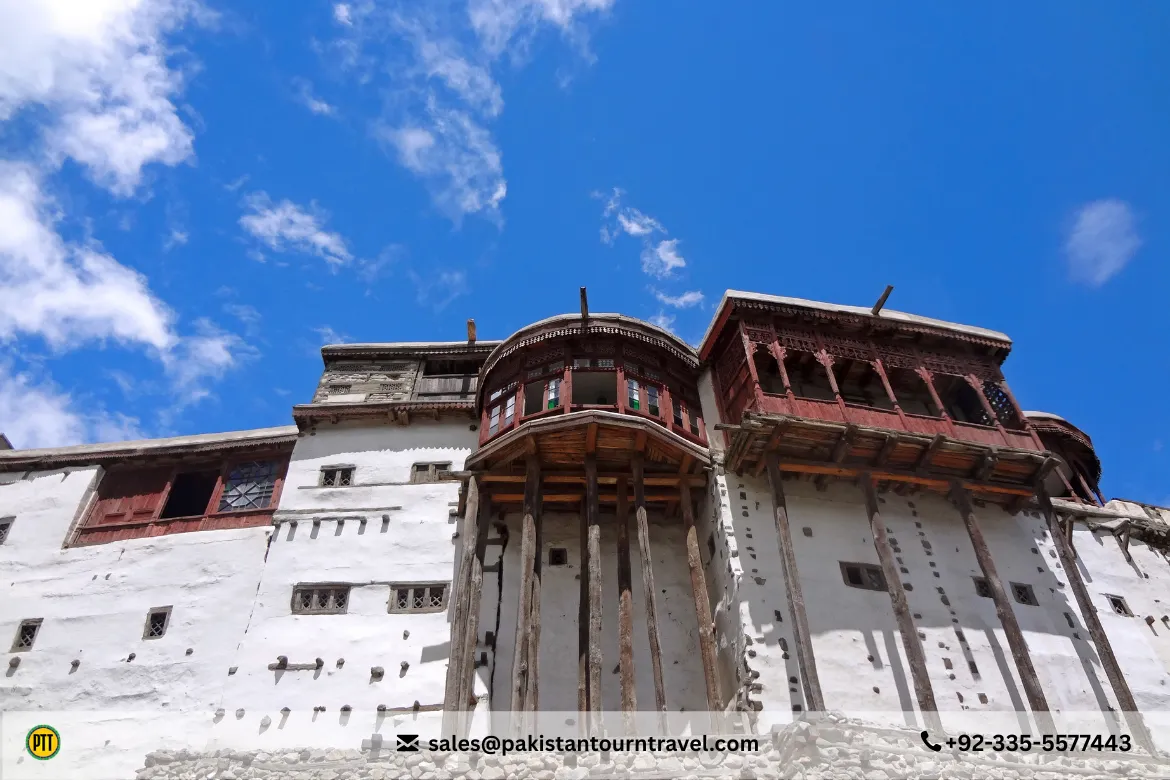
Front view of Baltit Fort – A 700-year-old Fort
Altit Fort: The Ancient Cliffside Sentinel
Even older than Baltit (over 1,100 years), Altit Fort sits on a rocky outcrop overlooking the Hunza River, with beautiful royal gardens below. Its sturdy wooden structure and defensive design tell tales of resilience. Explore the interiors, wander the gardens, and enjoy river views. It’s less crowded than Baltit, perfect for reflective moments.
Tip: Combine with a visit to the nearby village for authentic local life. It is best to visit in the morning light for photography.
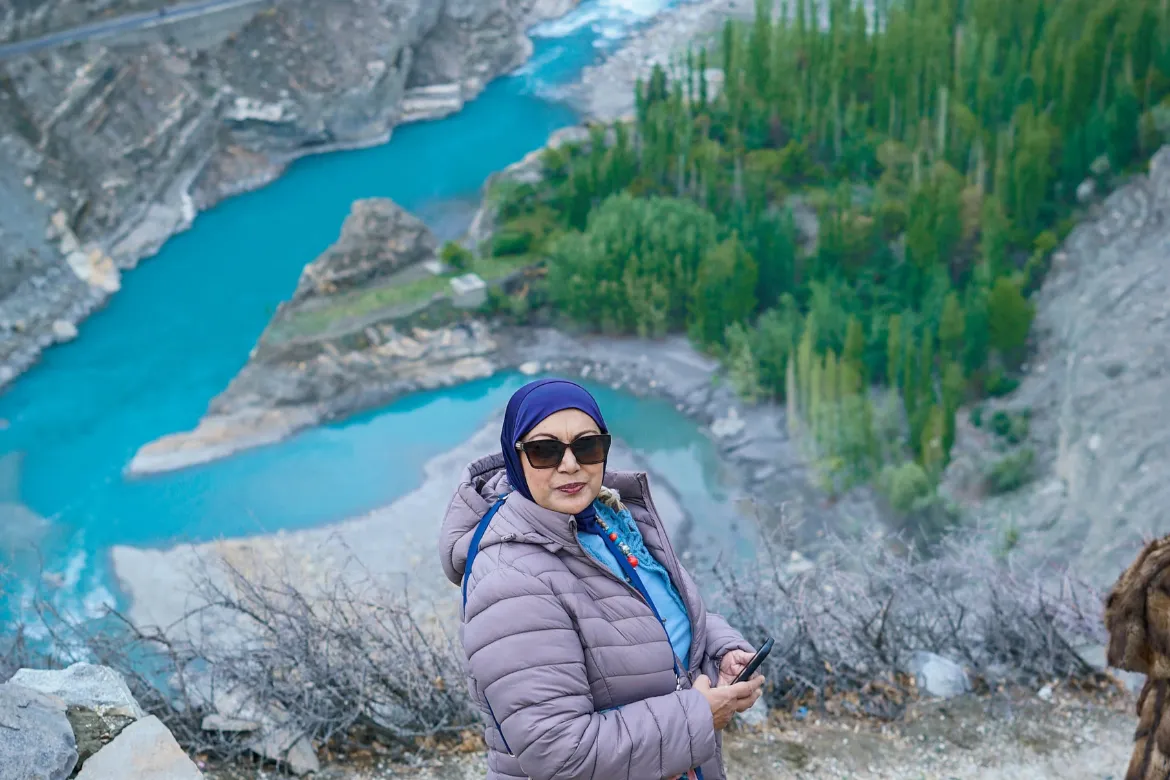
Our guest is enjoying the Hunza River view from Altit Fort
Attabad Lake: The Turquoise Jewel
Formed by a 2010 landslide, this stunning lake’s impossibly blue waters contrast sharply with the surrounding barren peaks. Boat rides or simply sitting by the shore create postcard-perfect memories.
Unique experiences: Boating, photography, or a relaxed picnic. In 2026, facilities will remain visitor-friendly. Gliding across the water as reflections of jagged mountains dance below, you’ll feel small yet profoundly connected to nature’s raw power.
Tip: Sunrise boat tours offer magical light with fewer people. Check water levels and safety.
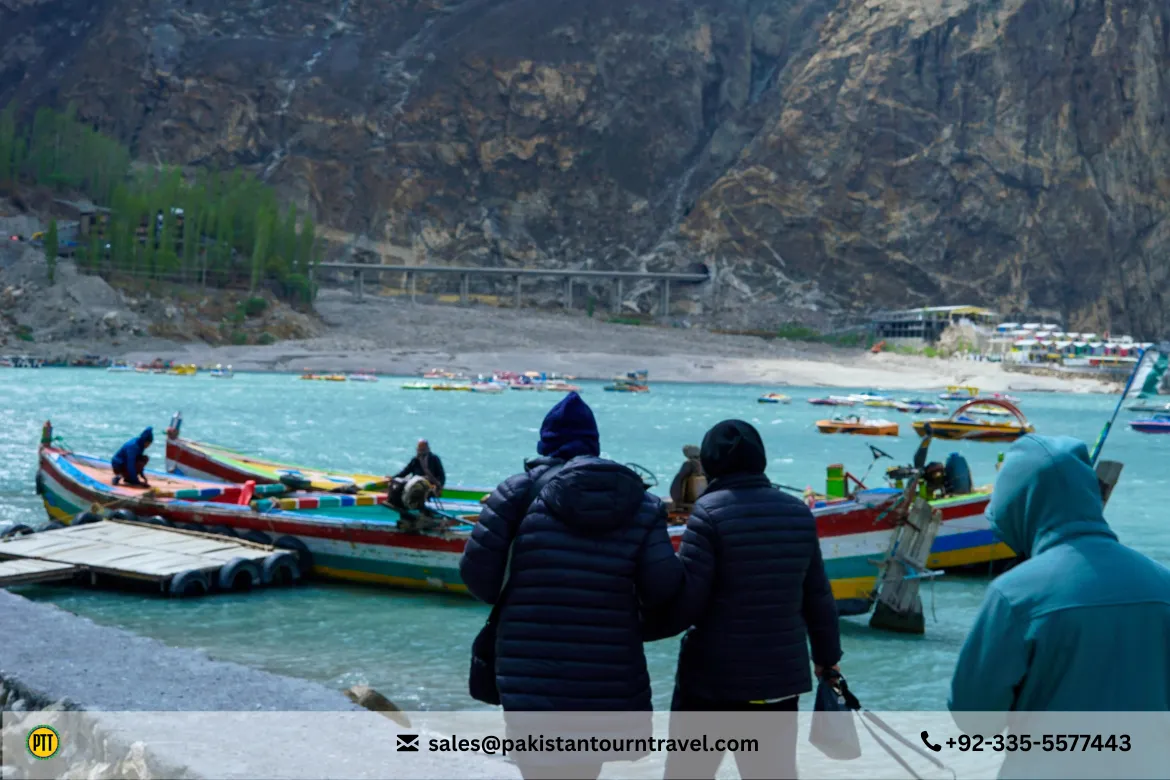
A majestic view of Attabad Lake
Passu Cones (Passu Cathedral/Peaks): Nature’s Dramatic Spires
These iconic, jagged rock formations near Passu village are a photographer’s dream, especially with the glacier backdrop along the KKH. Take short hikes or stop at viewpoints for epic shots. The area offers a raw, otherworldly vibe.
Tip: Stop at the Passu viewpoint; early morning or late afternoon light enhances the view.
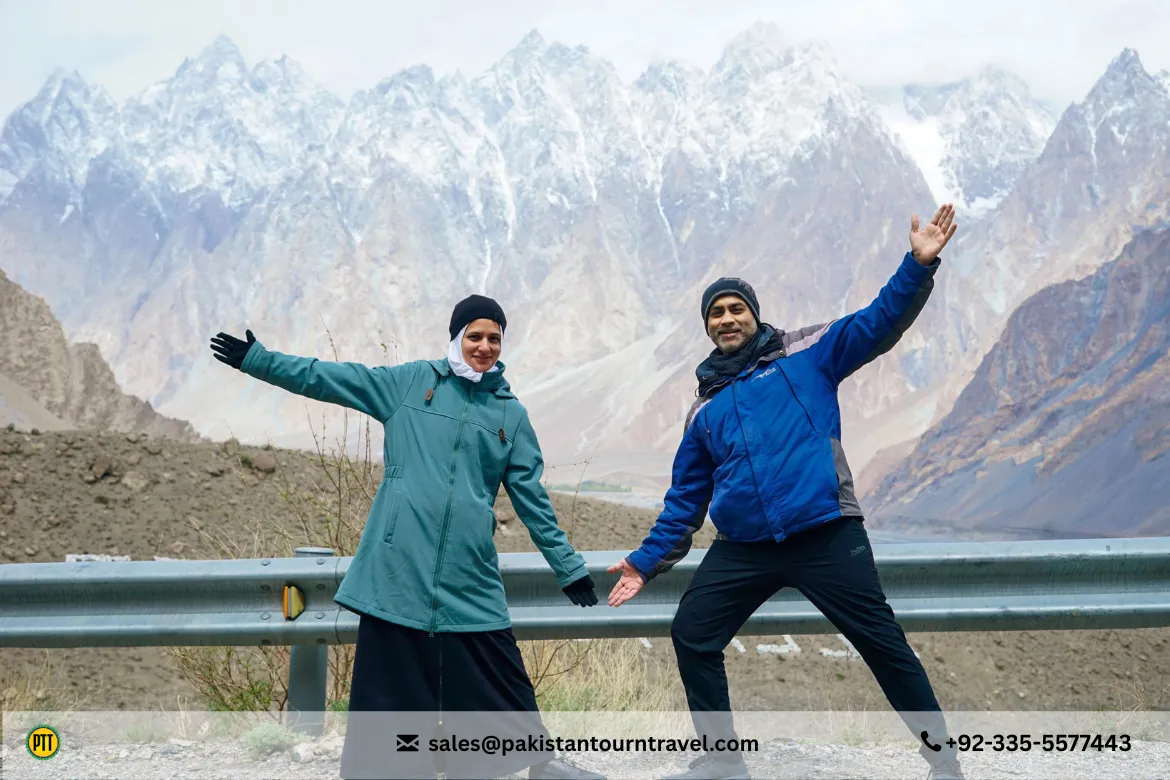
Couple poses with Passu Cones
Khunjerab Pass: The Roof of the World
At 4,693 meters, this is the highest paved international border crossing (Pakistan-China). The drive along the KKH is breathtaking, with vast plateaus and opportunities to spot wildlife (yaks, ibex). Stand at the border marker, breathe the thin air, and feel the Silk Road legacy. Best in clear summer weather.
Tip: Always choose an experienced travel partner, as altitude can affect some people. Carry warm layers and snacks. Permits may be required for foreigners.
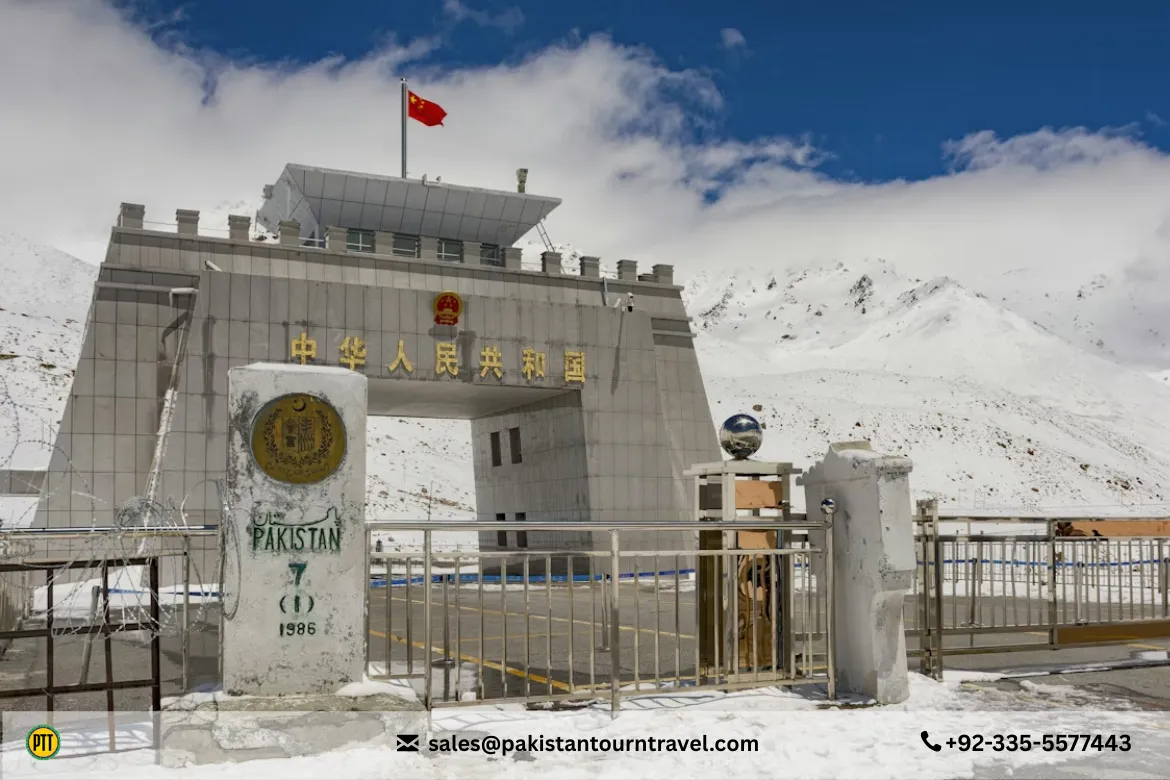
World’s Highest Pass – Khunjerab Pass
Eagle’s Nest (Duikar): Panoramic Paradise
Perched high above Karimabad, this viewpoint delivers 360-degree vistas of the valley, Rakaposhi, and more. Sunrise or sunset here is unforgettable. Watching the first light kiss the peaks or the valley glow at dusk feels like a personal revelation, pure awe, and gratitude.
Tip: Always go early for sunrise, take in the majestic view you will never forget, and either take a jeep or hike up. If you are a newbie to adventure, a local guide can add valuable insight.
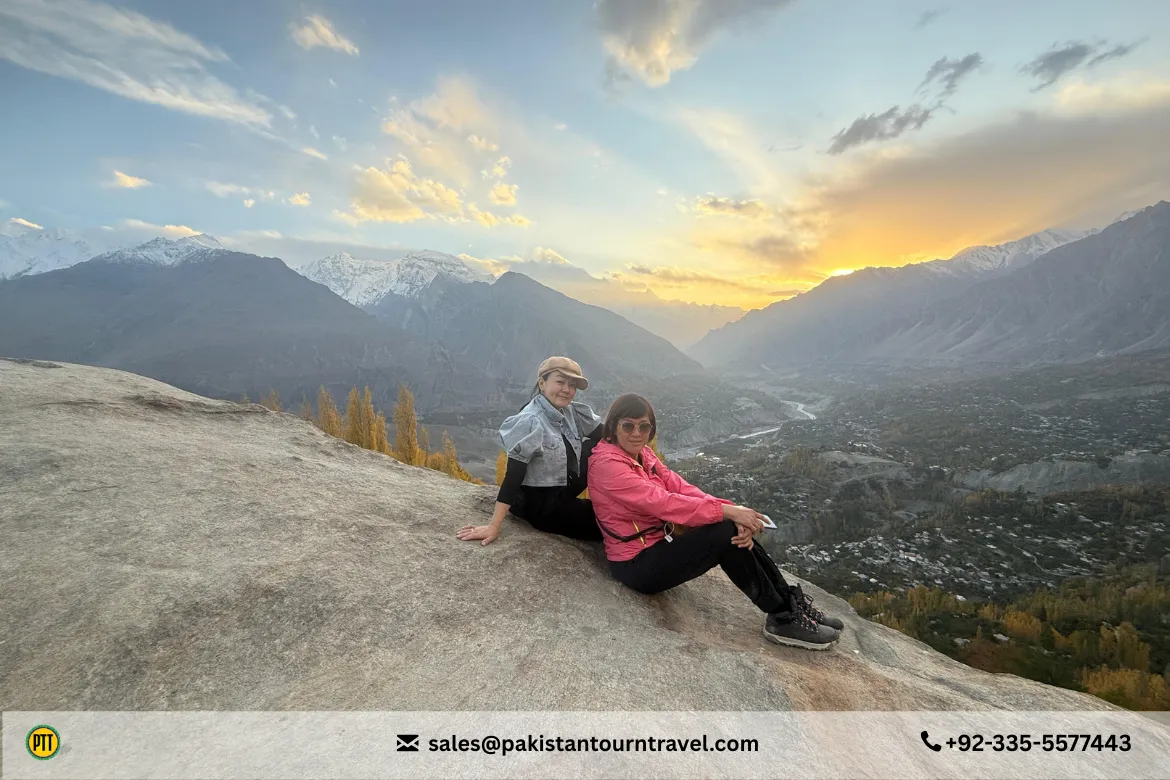
Guest enjoying sunset at Eagle Nest Duikar Viewpoint
Hopper (Hoper) Glacier: Raw Glacial Beauty
In the side valley near Nagar, this glacier offers dramatic views and short treks. It’s less visited, which gives it a sense of discovery. Take a Jeep safari or light hiking to viewpoints. Feel the chill and scale of the ice.
Tip: Best in summer when trails are accessible. Respect the environment, no litter.
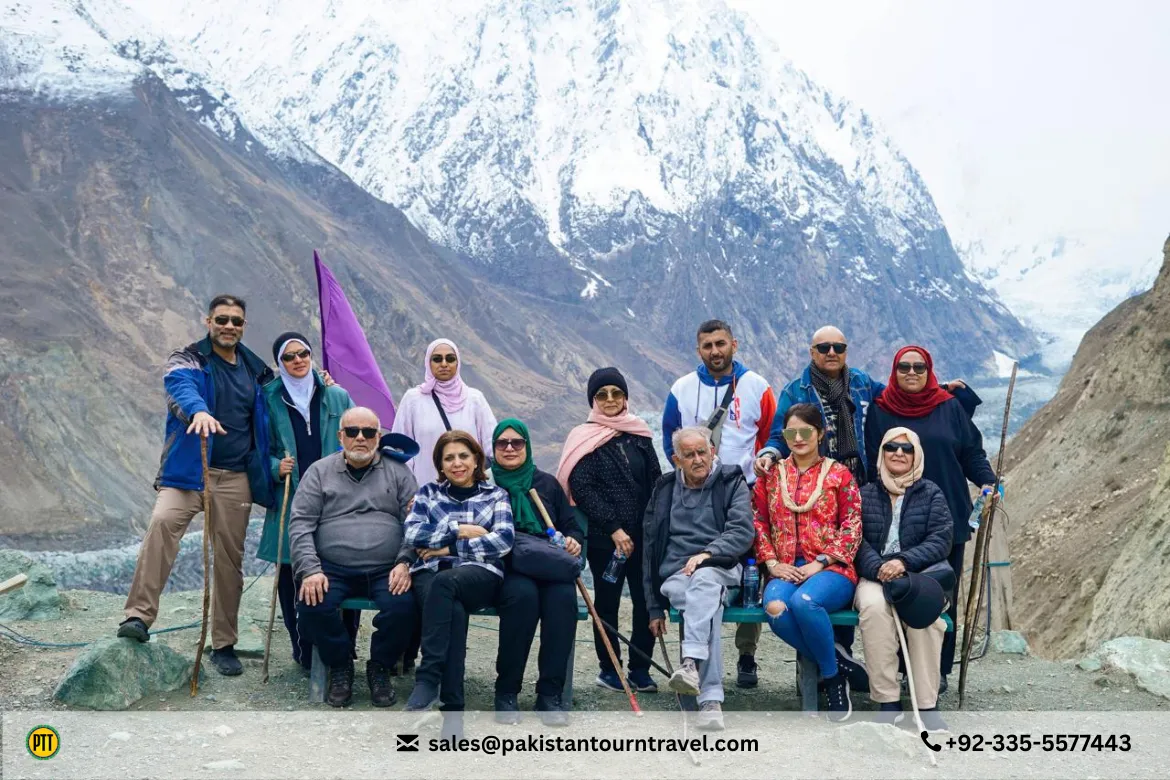
The raw beauty of Hooper Valley – Hooper Glacier in the background
Hussaini Suspension Bridge: Thrill with a View
Often called one of the world’s most dangerous (or “unsafe-looking”) bridges, this swaying suspension bridge over the Hunza River tests your nerves while rewarding you with incredible gorge views. Crossing the bridge, if you are daring enough for adrenaline and photos, visiting nearby villages offers peaceful walks afterward.
Tip: Go with confidence and sturdy shoes. Not for those with serious height fears, but the views from the area are worth it anyway. Locals are happy to share stories.
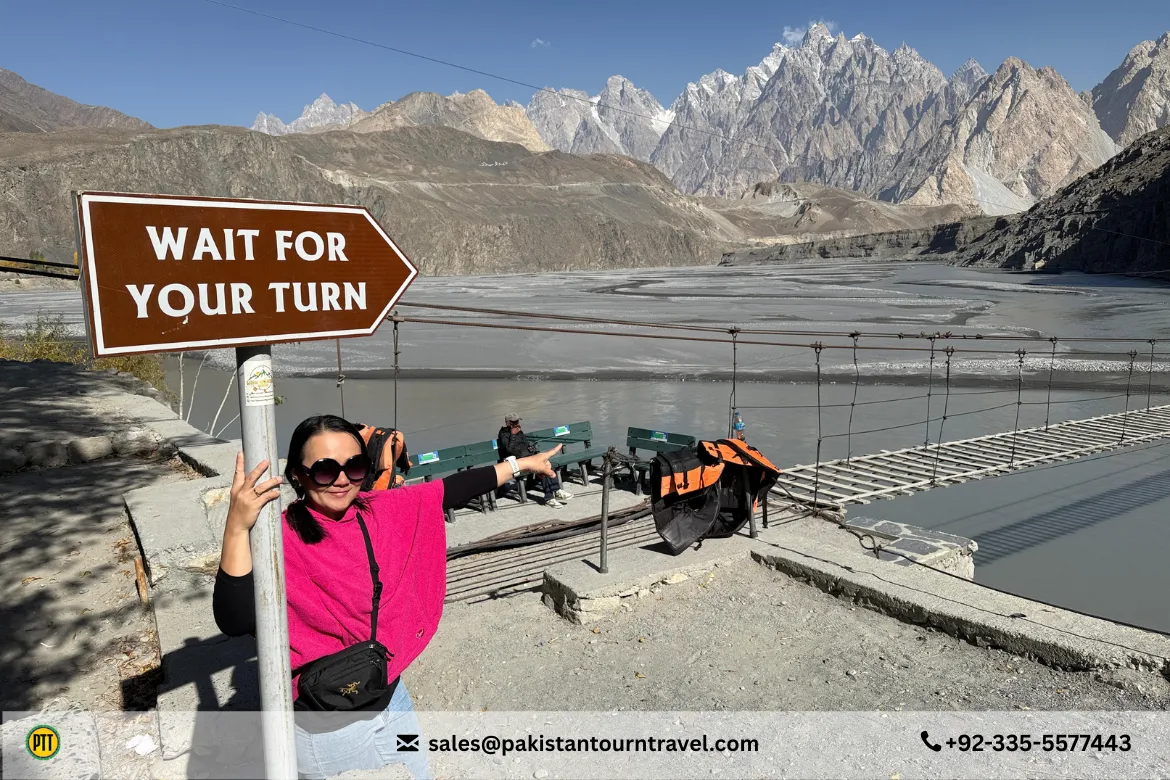
Hussaini Bridge Hunza – Most Dangerous Bridge in the World
Where to Stay, Eat, and Stay Safe in Hunza
Staying options in Hunza: Options range from cozy guesthouses and family-run stays in Karimabad (authentic and budget-friendly) to boutique hotels and eco-lodges with valley views. Look for places emphasizing local architecture and sustainability; many offer terraces perfect for stargazing.
Try Local cuisine: Don’t miss chapshuro (Hunza’s savory meat pie, like a spiced flatbread pizza), apricot-based dishes (jams, cakes, dumplings like Burus Berikutz), fresh Hunza bread, and walnut or apricot oil drizzles. Vegetarian options abound with seasonal veggies. Try family-run cafes in Karimabad or Gulmit for the real deal.
Safety tips & connectivity: Hunza remains one of Pakistan’s safest tourist destinations. Stick to main areas, travel in daylight where possible, and follow local advice. Weather can shift quickly, so pack layers. Mobile coverage (especially Zong or local SIMs) is decent in towns but spotty in remote spots; Wi-Fi is available at most hotels. Download offline maps for any inconvenience.
Sustainable travel practices: Respect the environment and culture, carry out your waste (or use segregation points), avoid single-use plastics, support local guides and businesses, dress modestly in villages, and engage mindfully with communities. Hunza’s beauty depends on all of us preserving it for future travelers.
Common Mistakes to Avoid
Many travelers make the same mistakes when planning a Hunza trip. Avoid these mistakes:
- Planning Hunza in only 3 days by road
- Not checking road conditions
- Booking hotels too late in peak season
- Underestimating travel time
- Carrying insufficient warm clothes
- Not keeping cash
- Skipping rest breaks
- Trying to cover too many places in one day
- Visiting Khunjerab Pass without checking the weather
Common Questions Asked About Hunza Places
Why is Hunza Valley famous worldwide?
Hunza Valley is globally known for its breathtaking mountain scenery, long-living locals, and peaceful lifestyle, often featured in travel documentaries and blogs.
Is Hunza really a “zero crime” region?
Hunza is often described as extremely safe, with very low crime rates, though, like anywhere, basic travel precautions are still recommended.
What makes Hunza people live longer?
Many believe the longevity of Hunza residents is linked to their organic diet, active lifestyle, clean environment, and low stress levels.
Can you see China from Hunza?
Yes, you can visit Khunjerab Pass, the highest paved border crossing in the world, where Pakistan meets China.
Is the internet and mobile network available in Hunza?
Yes, but connectivity can be slow or unreliable in remote areas. Major spots like Karimabad usually have 3G/4G and Wi-Fi.
What is the food like in Hunza Valley?
Hunza offers unique local dishes such as Chapshuro, Hunza bread, and organic apricot-based dishes, along with standard Pakistani cuisine.
Are there any hidden gems in Hunza that most tourists miss?
Yes, places like Eagle’s Nest viewpoint, Hopper Glacier, and Ganish Village are less crowded but incredibly scenic.
Is Hunza suitable for solo travelers?
Absolutely. Hunza is one of the best places in Pakistan for solo travel, thanks to its safety and friendly local culture.
What should you pack for a Hunza trip?
Pack warm clothes (even in summer), comfortable shoes, sunscreen, sunglasses, and a power bank, as weather and travel conditions can change.
Why is Attabad Lake so unique?
Attabad Lake was formed after a massive landslide in 2010, creating a stunning turquoise lake surrounded by dramatic mountains.
How much does a Hunza trip cost 2026?
A Hunza trip can cost around Rs. 65,000 to Rs. 90,000 per person for a budget group tour. A private family or couple tour can cost more depending on hotel category, vehicle type, number of days, and travel season.
How many days are enough for Hunza?
Five days are enough for a basic Hunza trip from Islamabad, but 6 to 7 days are better for a relaxed trip covering Karimabad, Attabad Lake, Passu, Gulmit, Khunjerab Pass, and nearby valleys.
What is the best time to visit Hunza?
The best time to visit Hunza is from April to October. Spring is best for blossoms, summer is best for family trips and road access, and autumn is best for photography and colorful landscapes.
Is Hunza good for a family trip?
Yes, Hunza is one of the best family destinations in northern Pakistan. It has good hotels, beautiful viewpoints, historic forts, lake activities, and family-friendly sightseeing options.
Can we visit Hunza by car?
Yes, Hunza can be visited by car from Islamabad, Lahore, or other cities. However, travelers should use a reliable vehicle and an experienced driver because the journey includes long mountain roads.
Is Hunza better by road or by air?
By road is better for travelers who want a full scenic journey. By air is better for families, senior travelers, or people with limited time. Flights to Gilgit can save time but may be affected by the weather.
Which area is best to stay in Hunza?
Karimabad is best for first-time visitors. Attabad Lake is best for lake views and luxury stays. Gulmit is best for exploring Upper Hunza, Passu, and the Khunjerab area.
Is Khunjerab Pass included in a Hunza trip?
Khunjerab Pass can be included in a 6 or 7-day Hunza itinerary. It is usually done as a day trip from Hunza, but travelers should check the road and weather conditions before visiting.
What should I pack for Hunza?
Pack warm clothes, comfortable shoes, sunglasses, sunscreen, cash, a power bank, basic medicines, a CNIC or passport, and a camera. The weather can be cold even in warmer months, especially at night or in higher areas.
Is Hunza safe for tourists?
Hunza is generally considered one of the safer and more tourist-friendly regions in northern Pakistan. Still, travelers should follow standard travel precautions, avoid risky nighttime road travel, and check weather and road conditions.
Conclusion:
Before visiting Hunza, remember that mountain travel is different from city travel. Weather can change quickly, roads can take longer than expected, and mobile signals may be weak in some areas. Keep your itinerary flexible and avoid overloading every day with too many stops. For the best experience, spend at least 5 days if traveling by road and 6 to 7 days if you want a relaxed family trip. Choose your hotel based on your itinerary, and always check road conditions before leaving for Upper Hunza or the Khunjerab Pass. Hunza is not just about ticking off tourist spots. It is about enjoying the journey, meeting local people, experiencing mountain culture, and spending peaceful time among some of the most beautiful landscapes in Pakistan.
These are the top tourist points in Hunza that aren’t just points on a map; they’re moments that reshape how you see the world. From the quiet dignity of ancient forts to the heart-pounding thrill of a swaying bridge and the soul-soothing blues of Attabad Lake, Hunza covers you in its magic and sends you home changed.
In 2026, make your dream trip a reality with our Hunza Tour packages. As a trusted travel planner, we provide premium services to ensure your journey is smooth, memorable, and full of unforgettable experiences. Book by flight or road adventure, pack light, and leave space in your heart for the unexpected kindness and beauty you’ll find. Drop a comment if you’ve been or are going; I’d love to swap stories. Safe travels on the KKH. Hunza is waiting to welcome you like an old friend.
What’s your favorite place in Hunza that you must visit on your trip? Share below and start planning your Northern Pakistan adventure today.
Also Read: