Table of Contents
If you’re planning a trip in 2026, you’re about to find out that Karachi isn’t just a sprawling megacity of 20 million people; it’s a living, breathing time machine. While the world often focuses on its fast-paced skyline, digital startups, and breezy coastal vibes, the true magic of the “City of Lights” lies in its “Old Soul.” These sightseeing trips are included in our “Southern Pakistan tour” throughout the year.
As someone who calls these streets home, I’ve watched Karachi undergo a beautiful metamorphosis over the last few years. By 2026, the city will have truly leaned into its history. We’ve seen a massive push to restore crumbling colonial facades, digitize museum archives for future generations, and launch green initiatives that make exploring these ancient corridors much more comfortable than before. Whether you’re a die-hard history buff or just a curious traveler looking for an authentic story, here are the 10 unmissable things to do in Karachi on a heritage tour.
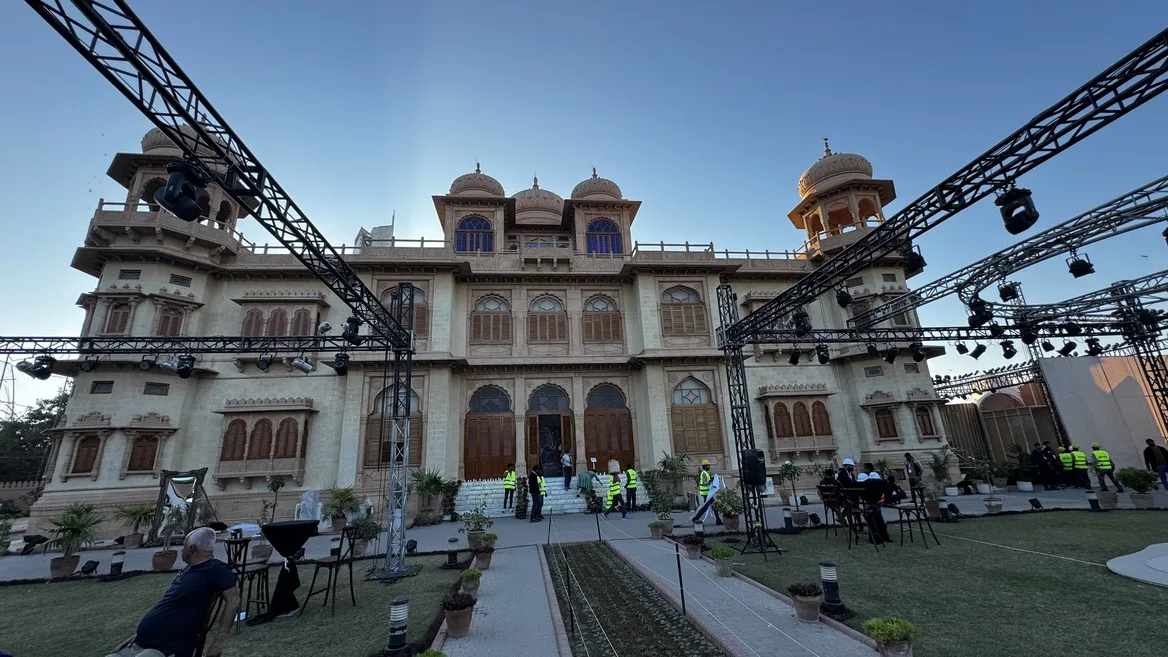
Mohatta Palace Museum
Mohatta Palace doesn’t feel like Karachi at first. Tucked away in the posh neighborhood of Clifton, the Mohatta Palace is usually everyone’s “love at first sight” moment in Karachi. Built in 1927 by a wealthy Hindu businessman, Shivratan Mohatta, as a summer home, it was later occupied by Fatima Jinnah (the Mother of the Nation). The pink Jodhpur stone and yellow local Gizri sandstones give it a warm, sunset-hued glow that feels totally out of place, in the best way possible, among the modern skyscrapers.
Walk through the rooms slowly. Notice the windows, the carved stone, the way light comes in. It’s one of those places where architecture does most of the talking. If you time your visit in the late afternoon, the light softens everything. It’s calmer, less crowded, and honestly, just more enjoyable.
The 2026 Vibe: The palace grounds now host the Spring Craft Festival every April. You’ll find local potters, weavers, and musicians filling the air with the sounds of the desert.
Mohatta Palace Museum Ticket Price & Timing: Tuesday to Sunday: 11:00 am to 6:00 pm, Rs: 100/- adult
Insider Tip: Don’t just look at the exhibits inside. Head up to the rooftop. The view of the domes against the Karachi skyline is arguably the best “old meets new” photo op in the city.
If Karachi had a centerpiece of British Raj elegance, this would be it. Frere Hall is a stunning example of Venetian Gothic architecture. But the real reason to visit isn’t just the yellow limestone exterior; it’s the ceiling. Inside, you’ll find a massive, mind-bending mural by the legendary artist Sadequain. It’s titled Arz-o-Samawat (The Earth and the Heavens), and honestly, you could stare at it for hours and still find new details.
Saddar can feel overwhelming. Traffic, noise, crowds. Then suddenly, you step into Frere Hall, and it’s quiet. Built during the British era, this building has a kind of understated elegance. Nothing flashy, just clean lines, arches, and a sense of history that’s still intact.
Inside, the ceiling is often overlooked. The mural by Sadequain is layered with meaning, and even if you don’t fully understand it, you can feel its intensity. Outside, the gardens are where Karachi slows down. Families sit on the grass, kids run around, and people just relax. If you want to see a softer side of the city, this is where you’ll find it. Early morning or just before sunset works best. The light is better, and the space feels more open.
Best Hours: Aim for 4:00 PM. The late-afternoon light hits the building’s arches perfectly, making it a favorite among local sketch artists and photographers.
Don’t Miss: The Sunday Book Bazaar. In 2026, it remains a beloved tradition where you can find dusty first editions, vintage maps of pre-partition India, and old coins while sipping on a juice from a nearby vendor.
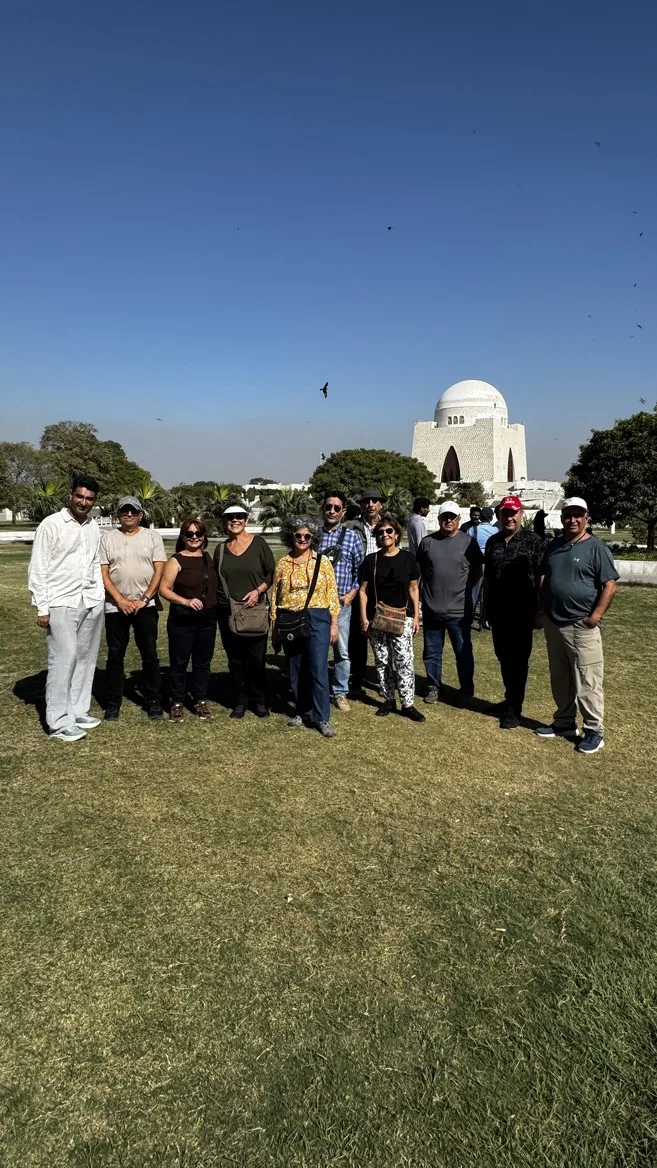
Best of Quaid-e-Azam Mausoleum
You haven’t truly seen Karachi until you’ve stood before the pure white marble of the Mazar-e-Quaid. This is the final resting place of Pakistan’s founder, Muhammad Ali Jinnah. The design is a brilliant mix of traditional Islamic architecture and modernism. It’s surrounded by a massive park that serves as a “green lung” for the city. There’s something about Mazar-e-Quaid that feels different from the rest of Karachi. It’s not busy in the same way. It’s not trying to impress you.
It’s just there. Strong, quiet, and meaningful. The white marble structure stands in the middle of the city, almost like a reminder of where everything began. When you walk inside, it gets even quieter. People lower their voices without being told to.
If you’re lucky, you might catch the changing of the guards ceremony. It’s brief, but it adds to the experience. Most people visit during the day, but evenings have a different feel. When the monument is lit up, it looks almost unreal against the dark sky.
The Experience: Try to catch the Changing of the Guard. The precision of the cadets is mesmerizing, and there’s a quiet dignity to the ceremony that stays with you.
Photography Spot: The reflective pools leading up to the main podium offer a perfect symmetrical shot, especially at night when the dome is illuminated.
Warning: This one isn’t for the faint of heart, but it is essential. Built in 1889 to commemorate Queen Victoria, Empress Market is the beating heart of Karachi’s trade. The Gothic clock tower still looms over a sea of vendors selling everything from exotic spices and hand-woven baskets to fresh produce and household goods. Empress Market is not polished. It’s not organised. And that’s exactly why you should go.
This place has been around since the British era, but today it’s all about movement. Vendors calling out, people bargaining, the smell of spices in the air. You’ll see fruits, vegetables, meat, household items, and things you didn’t even expect to find. It can feel overwhelming at first. That’s normal.
Take your time. Walk slowly. Watch how people interact. This isn’t just a market, it’s a snapshot of everyday life in Karachi. If you’re not used to places like this, going with someone local makes a big difference. They’ll help you navigate and probably introduce you to the best stalls without you even asking.
Local Flavors: This is the place to get a cup of “Doodh Patti”—tea brewed directly in milk. It’s thick, sweet, and will give you the caffeine kick you need to navigate the crowds.
Shopping Tip: It’s a sensory explosion of smells and sounds. Remember, haggling is expected. If you aren’t bartering for your spices, you aren’t doing it right!
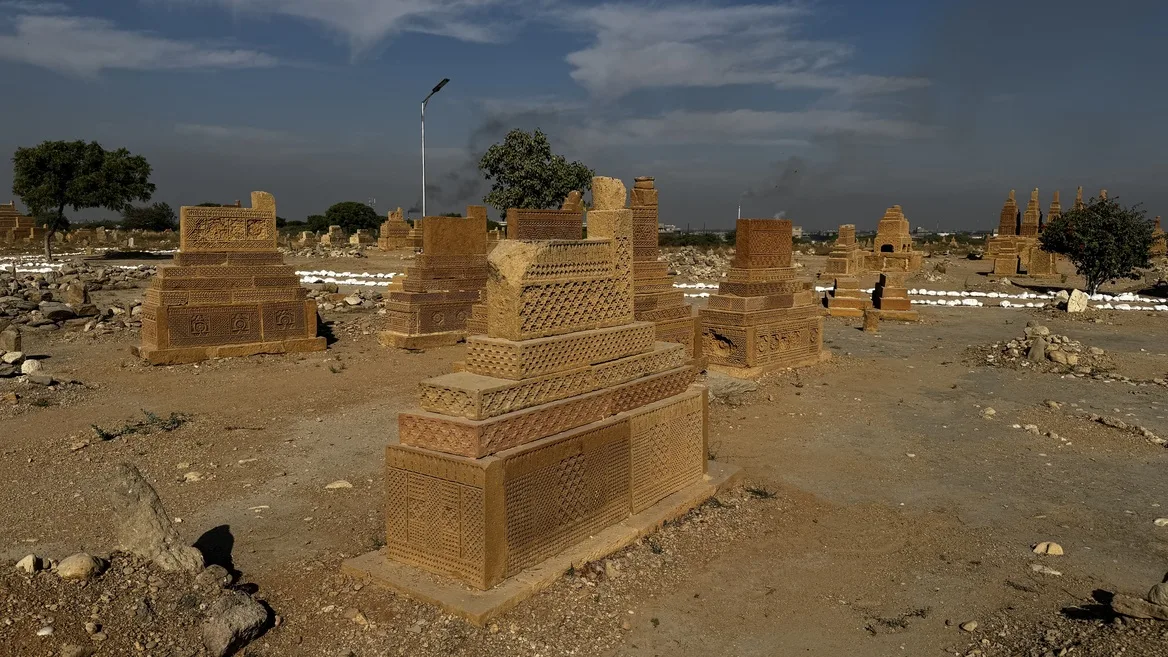
best of Chaukhandi Tombs
Located on the outskirts of the city, the Chaukhandi Tombs are a UNESCO World Heritage Site that feels like an open-air art gallery. These 15th-18th-century tombs are famous for their intricate sandstone carvings.
Not every heritage site in Karachi is busy. Chaukhandi Tombs are the opposite. Rows of sandstone graves, each carved with patterns that have survived centuries. Some tell stories of warriors, others of families and traditions that go back generations.
There’s no noise here. Just wind, space, and history. It’s the kind of place where you slow down without realizing it. You walk a little more carefully. You look a little closer. Go in the morning if you can. The heat builds up quickly, and there’s not much shade. Carry water, take your time, and let the place speak for itself. The carvings aren’t just decorative; they’re biographical. You’ll see jewelry patterns on the graves of women and horses or swords on the graves of warriors.
2026 Update: The site now features climate-controlled visitor centers with AR (Augmented Reality) stations. You can point your phone at a tomb and watch a digital reconstruction of the era come to life.
Wazir Mansion isn’t grand. It’s not designed to impress. But it matters. This is where Quaid-e-Azam Muhammad Ali Jinnah was born. The building itself is simple, tucked into the older part of Karachi where streets are narrow, and life feels a bit closer.
Inside, the museum gives you a glimpse into his early life. It’s not overly detailed, but it gives you enough to understand the beginnings of someone who shaped the country. What makes this place interesting isn’t just the building, but the area around it. You get a sense of what old Karachi used to look like.
Pair this visit with a walk through nearby streets. That’s where the real experience is. In the winding, narrow streets of Kharadar—one of Karachi’s oldest quarters- sits Wazir Mansion, the birthplace of Jinnah. It’s a modest, three-story building that feels remarkably intimate.
Highlights: Seeing his original law library, his velvet furniture, and even his personal clothing makes the “Father of the Nation” feel like a real person rather than just a figure in a history book.
The Neighborhood: The walk to the mansion is half the fun. You’ll pass old wooden balconies and spice shops that have been there for a century.
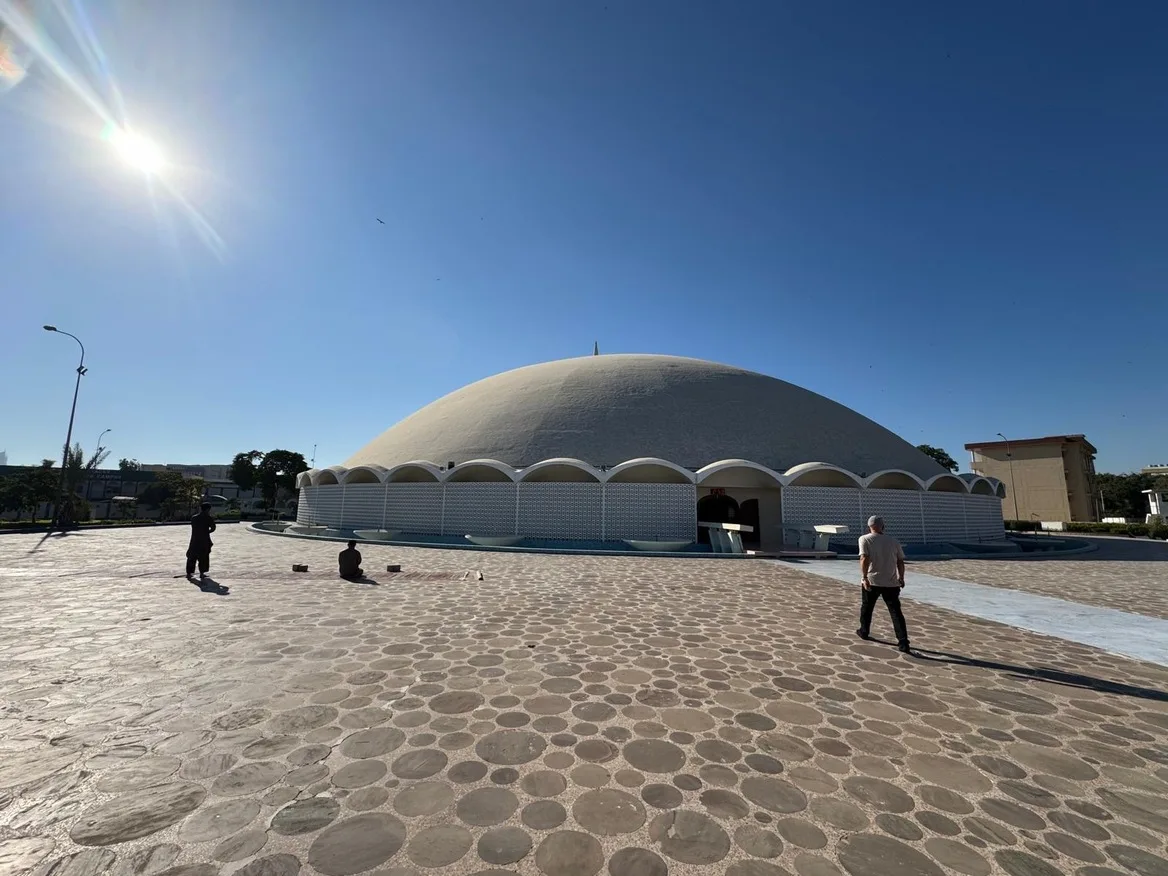
Top places in Karachi: Masjid-e-Tooba (Gol Masjid)
Locally known as the “Gol Masjid” (Round Mosque), it stands out for its simplicity; it is a 20th-century architectural marvel. It features a single, massive dome with no central pillars to support. There are no pillars inside. Just one large dome covering the entire prayer space. It feels open, uncluttered, and calm.
After visiting busy markets and crowded streets, this place feels like a reset. People come here not just to pray, but to sit quietly for a while. If you’re visiting, be mindful of prayer times. Outside those hours, you can explore more freely and take in the architecture without interruption.
Architectural Tip: The acoustics are the star here. If you stand at one end of the hall and whisper, your voice travels clearly to the other side. It’s a peaceful, spiritual space that offers a quiet break from the city’s roar.
Karachi is a port city at its core. And you can still feel that at the waterfront. The Native Jetty area has become more lively in recent years. There are food stalls, families walking around, and views of ships coming and going. It’s not a traditional heritage site, but it’s part of Karachi’s story. Trade, migration, growth, it all connects back to the sea.
Evenings are the best time to come. The weather is better, the lights reflect on the water, and the whole place feels more alive. Grab something simple to eat and just sit for a while. Sometimes that’s enough.
The 2026 Scene: The Grand Port Food Street is where everyone hangs out in the evenings. You can eat traditional seafood while watching the giant cargo ships roll in.
Heritage Tip: Keep an eye out for the Karachi Port Trust (KPT) building nearby. With its sweeping curves and colonial grandeur, it looks like something straight out of a classic film.
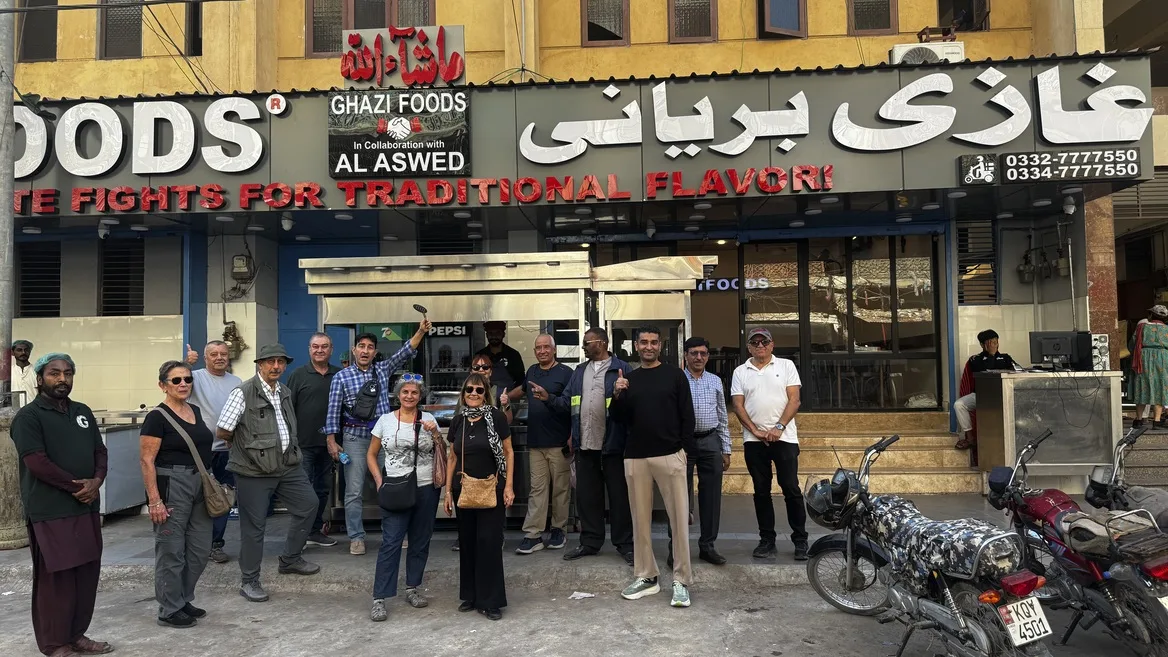
street food of old karachi
If you’re traveling with family or just want something more interactive, this museum is a good change of pace. You’re not just looking at displays behind glass. You can walk inside a submarine, stand next to an aircraft, and see naval equipment up close. It makes history easier to connect with, especially if you’re not into traditional museums.
There’s also open space around the exhibits, so it doesn’t feel cramped. You can move at your own pace, which is always a plus. This is a hit for families and tech nerds. The museum isn’t just a building; it’s a massive park filled with naval history.
*The Big Draw: You can actually board and explore a real Daphné-class submarine (the PNS Hangor). Crawling through the tight corridors gives you a massive respect for the sailors who lived there.
2026 Feature: New interactive naval battle simulations and a beautifully curated gallery on the ancient maritime Silk Road.
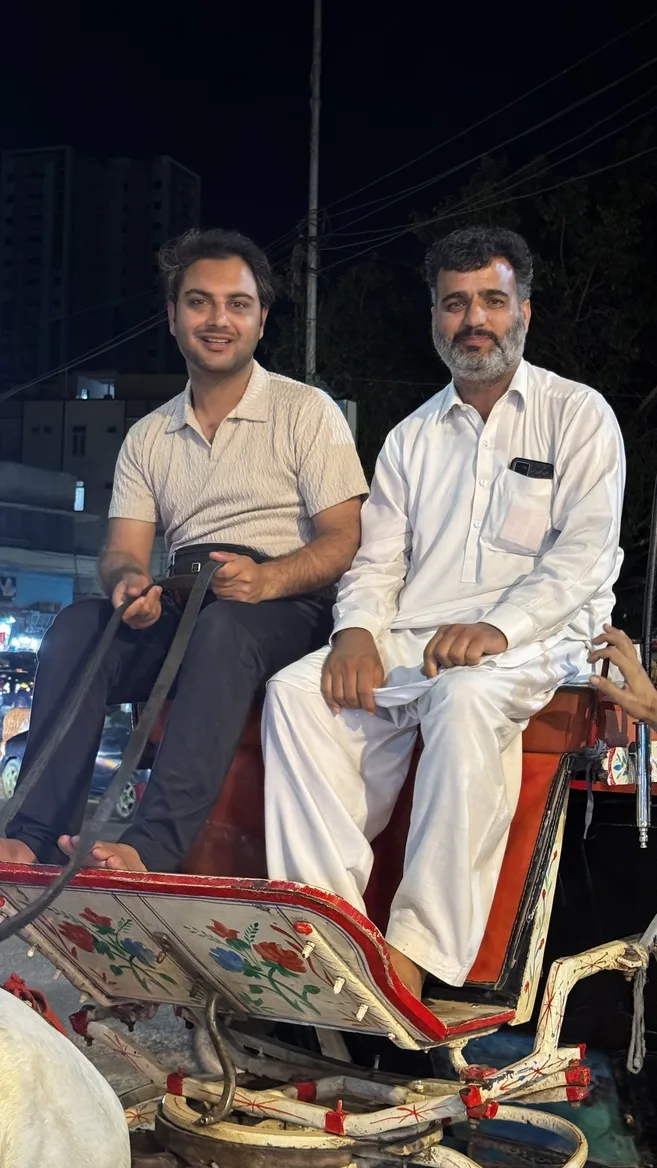
horse riding in Saddar Town, Karachi
This is my absolute favorite thing to recommend. If you had to pick just one thing from this list, this might be it. Saddar is where everything comes together. Old colonial buildings, busy streets, food stalls, bookstores, cafés, it’s all packed into one area. But the real value of a heritage walk isn’t just seeing buildings. It’s understanding them. Knowing what used to be there, what changed, and what stayed the same.
You’ll pass by structures that date back over a century, some well-preserved, others slowly fading. And in between, life just keeps going. Burns Road is nearby, and if you’re even slightly interested in food, don’t skip it. It’s one of the best places to try traditional Karachi dishes.
A local guide can completely change this experience. Without one, you’ll see things. With one, you’ll understand them. Start at Pakistan Chowk and just walk. The Saddar district is packed with Art Deco buildings, old cinemas, and churches like St. Andrew’s.
Why a Walk? You’ll see things a car would miss, hidden courtyard cafes, 100-year-old stationery shops, and street art that blends modern politics with ancient patterns.
The Essential Snack: You cannot leave Saddar without eating a Bun Kebab (a spicy lentil/meat patty in a toasted bun) from a street-side stall. It’s the unofficial flavor of Karachi heritage.
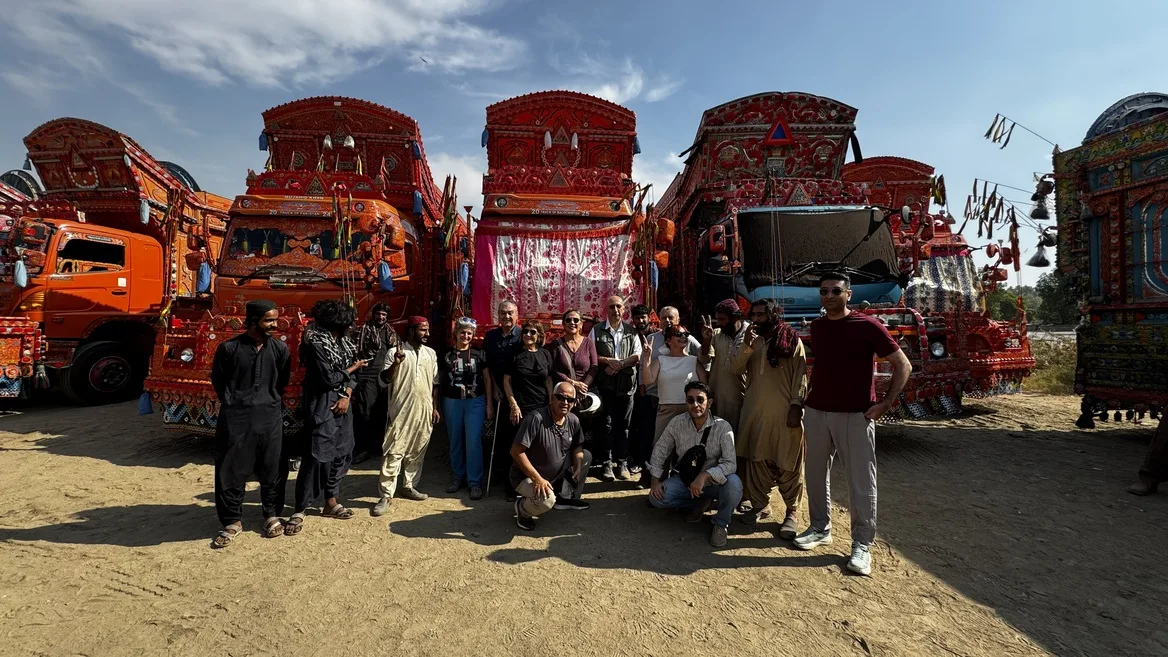
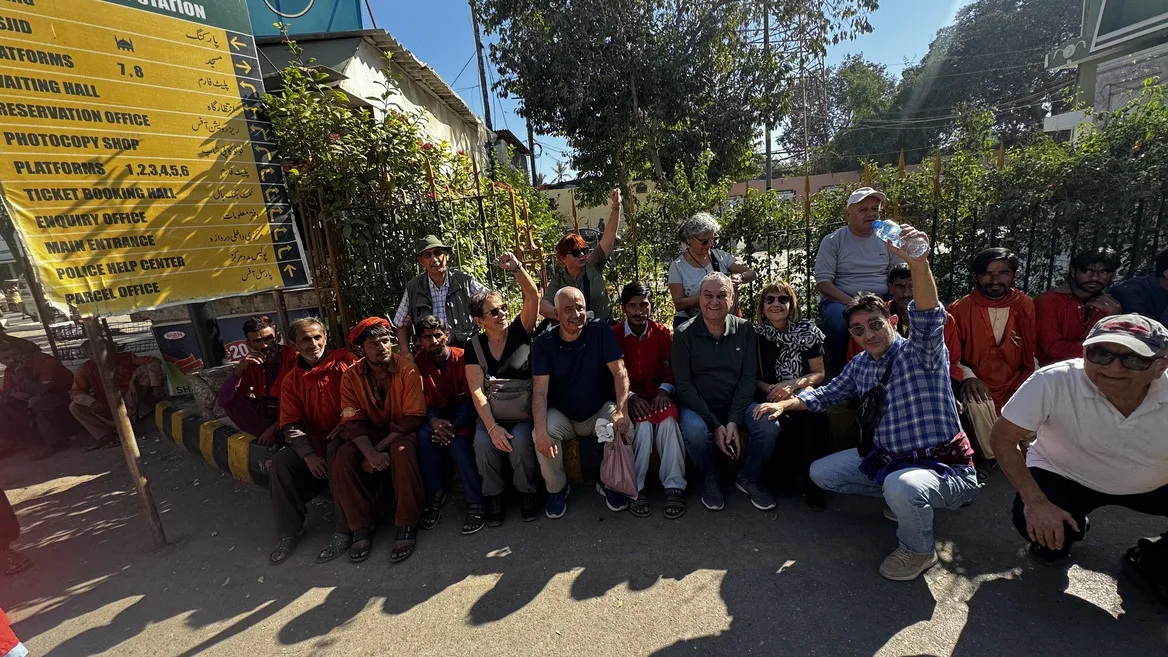
Our Turkish group is enjoying truck art on the national highway
How to Get Around: The Karachi Circular Railway (KCR) is back in action and is the coolest way to see the city’s industrial heritage while skipping the legendary traffic. For everything else, use ride-hailing apps like Indriver or Yango; they are safe, cheap, and reliable.
When to Visit: Come between November and February. The weather is a dream (think light jackets and sunny afternoons). Plus, February is “Festival Season” in Karachi.
Where to Stay: If you want soul, skip the big chains and look for boutique guesthouses in PECHS or renovated suites in the South District near the heritage sites.
Connectivity: 5G is everywhere, and most heritage sites now have “Smart Tourism” QR codes you can scan to access history in 5 languages.
Safety: Karachi is much friendlier than the old headlines suggest. Stick to the main heritage loops, keep your phone tucked away in crowded bazaars (common sense!), and don’t be afraid to ask locals for directions; we love to talk.
Karachi is well-connected, and getting here isn’t complicated.
Flights operate regularly from major cities such as Lahore and Islamabad, as well as international hubs. Jinnah International Airport is now handling most traffic smoothly.
Train and bus services have improved over the years. If you prefer traveling by road or rail, there are reliable options from different parts of Pakistan.
Within the city, ride-hailing apps are your best bet. They’re easy to use and widely available. The Karachi Circular Railway is also expanding again, though it’s still developing in terms of coverage.
Weather matters more than you think here.
November to February is the most comfortable time. The air is cooler, and walking around heritage sites feels easier.
March and April are still manageable, just a bit warmer.
Summers can be intense. Heat and humidity make long outdoor visits tiring, so if you’re coming during that time, plan early morning outings.
Winter also brings cultural events, food festivals, and a more active city vibe.
Food is part of the experience here.
Start your day with nihari if you can handle something heavy in the morning. It’s rich, slow-cooked, and deeply local.
Biryani is everywhere, and everyone has an opinion on where it’s best.
Bun kebabs are simple but iconic. You’ll find them on street corners, and they’re worth trying at least once.
Old cafés in Saddar are great for tea and a slower pace. Sit there long enough, and you’ll start noticing the rhythm of the city.
If your focus is heritage, location matters.
Saddar puts you close to many historical sites, though it’s busy and not for everyone.
Clifton and DHA offer greater comfort, better hotels, and easy access to the coast, while remaining within reach of key attractions.
There are also boutique guesthouses that try to reflect Karachi’s older charm, especially around central areas.
There’s a certain grit and glamour to Karachi that you won’t find in Lahore or Islamabad. It’s a city that has survived everything and kept its sense of humor. Taking a heritage tour here isn’t just about looking at old rocks and bricks; it’s about witnessing the resilience of a culture that refuses to be forgotten.
Karachi doesn’t try to impress you in obvious ways. It doesn’t polish its edges or slow itself down for visitors. But if you give it time, it opens up.
From historic buildings to everyday street life, from quiet tombs to crowded markets, every part of the city adds something to your experience.
So if you’re planning your 10 unmissable things to do in Karachi on a heritage tour, go with an open mind. Walk more than you planned. Stay longer than you expected. Because Karachi isn’t just something you see. Read our reviews on TripAdvisor and discuss the ultimate heritage tour to Pakistan now.
It’s something you slowly understand. So, what are you waiting for? Karachi is ready to show you its secrets. Just remember to bring your thirst and a good camera, perhaps!

Saba Ghani is Senior Content Editor at Pakistan Tour and Travel. With expertise in travel writing, she creates inspiring content that connects with audiences. Reach her at saba@pakistantourntravel.com or Twitter








12 Years of Tourism Services
Government of Pakistan, DTS License ID-2650