×
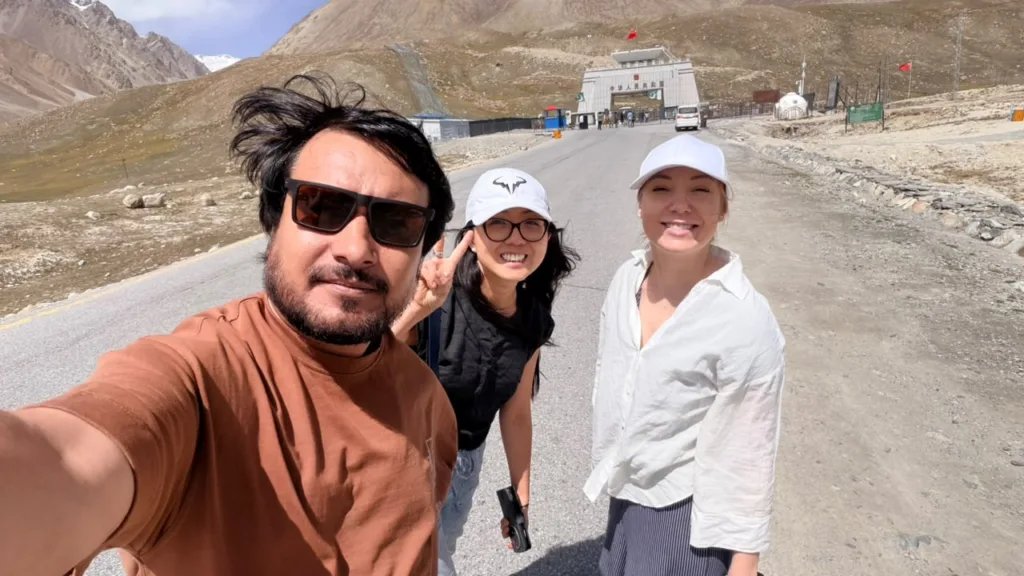
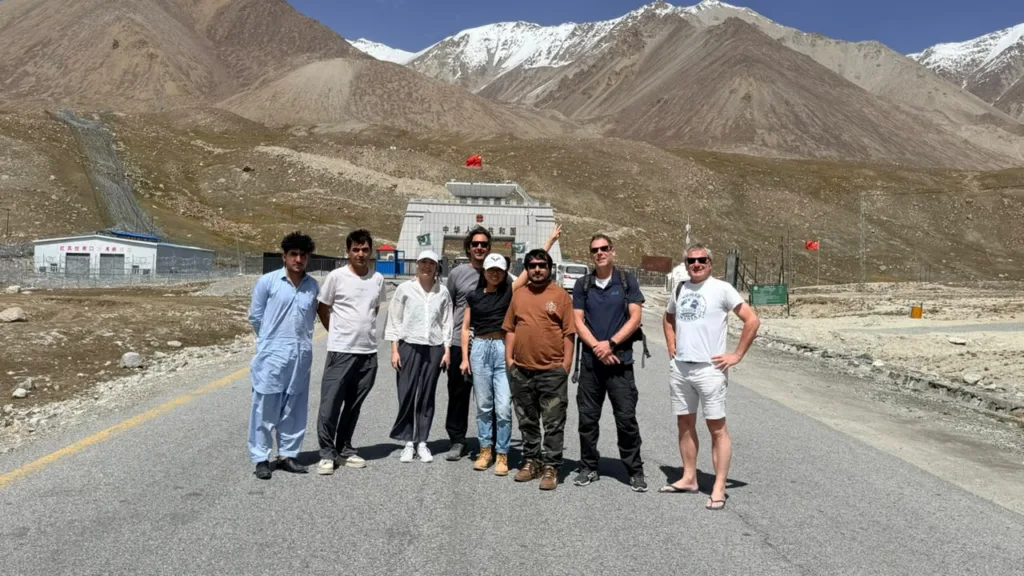
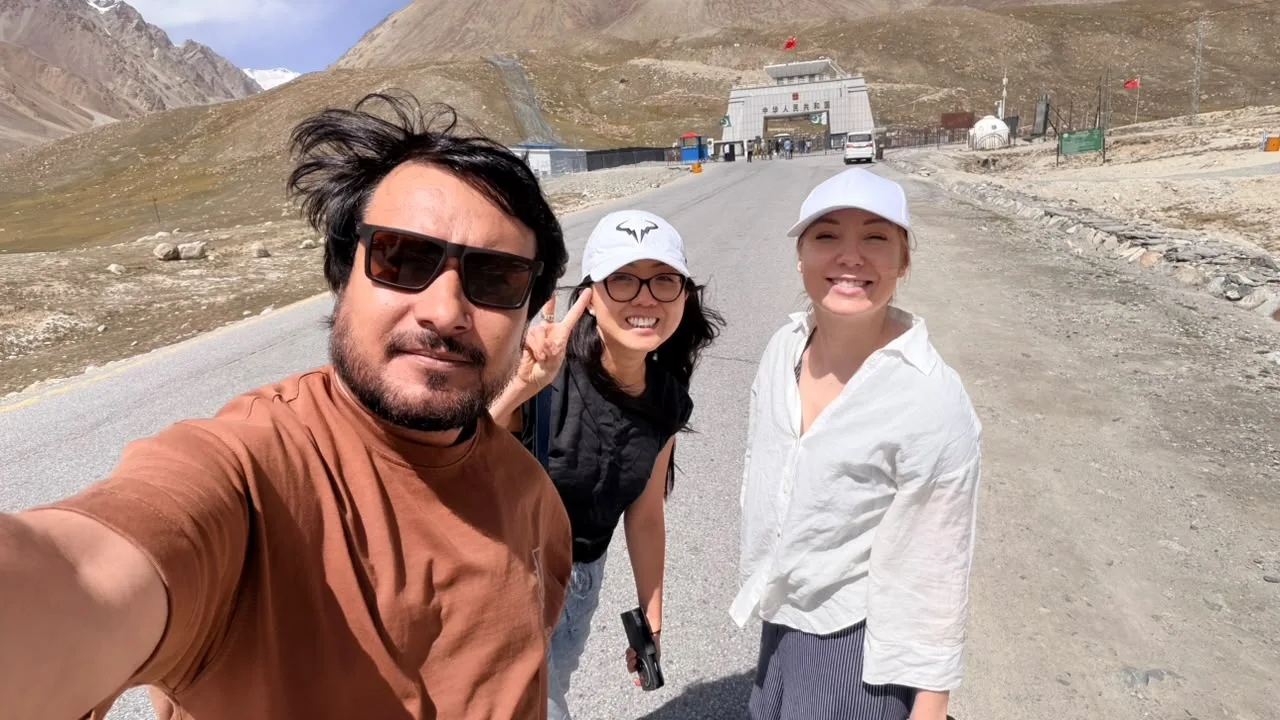
Tourist enjoying their time at khunjerab pass with us
Khunjerab Pass Tourist Attractions - travel to khunjerab pass with us today
World's Highest International Border

Khunjerab Pass

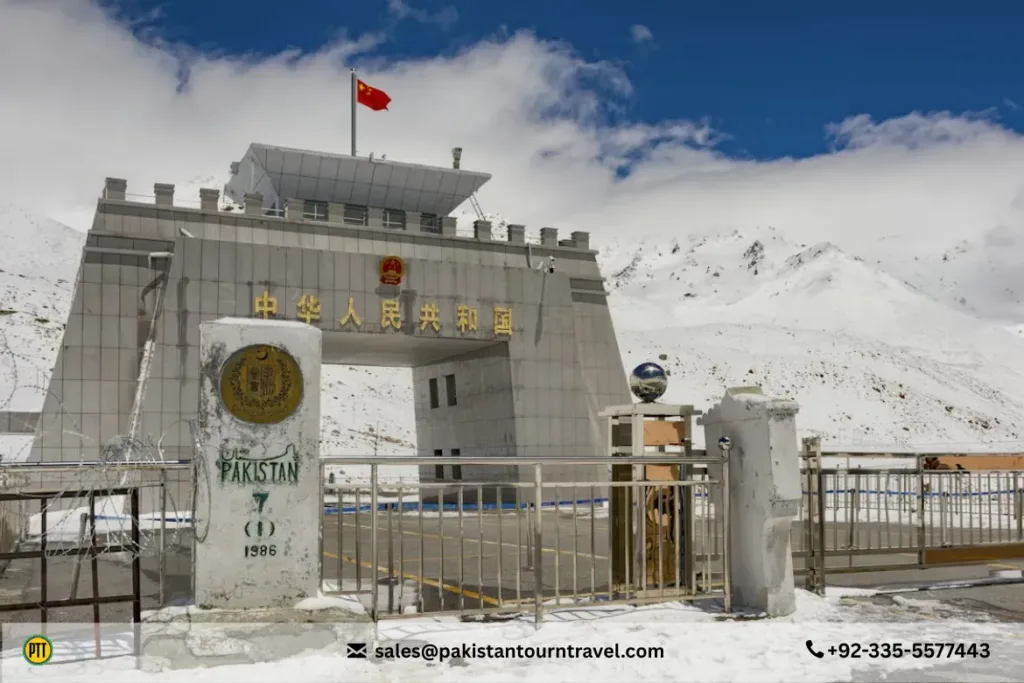
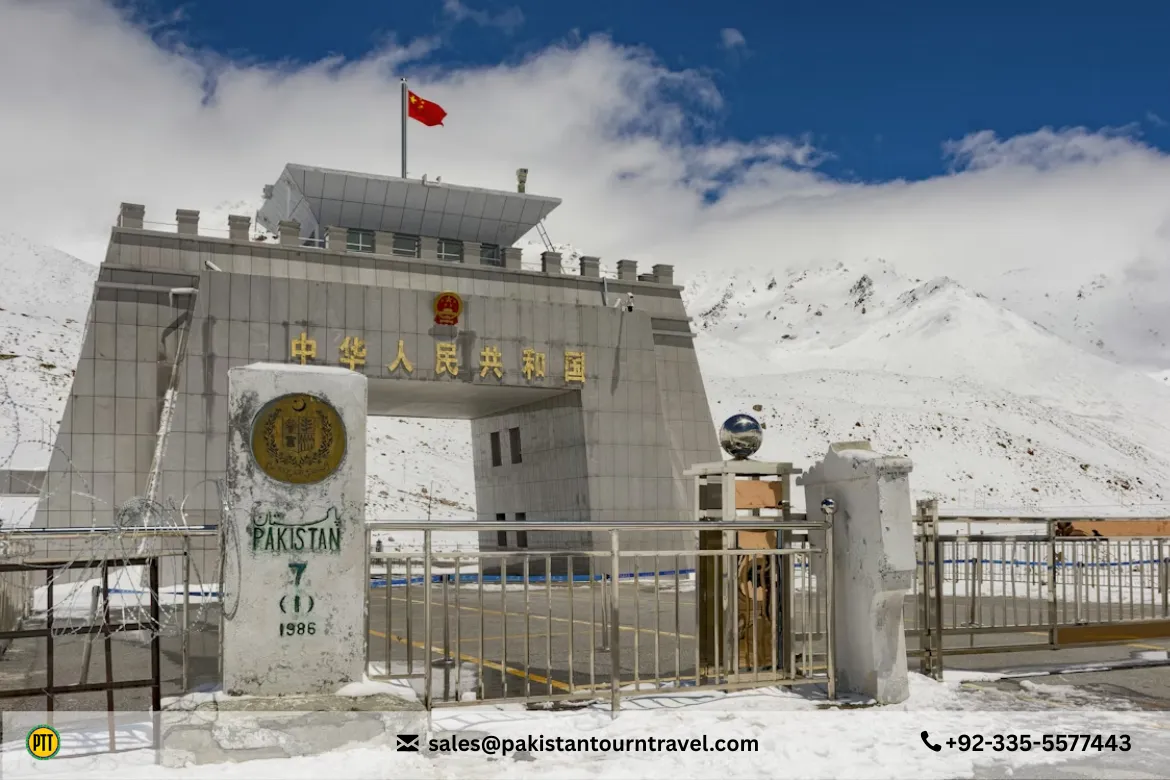
Standing at an elevation of 4,693 metres (15,397 feet), Khunjerab Pass is one of the most remarkable mountain destinations in Northern Pakistan. Located in the Karakoram Mountains along the Pakistan-China border, this spectacular high-altitude pass marks the northern end of the Karakoram Highway and connects Pakistan with China’s Xinjiang region. The journey to Khunjerab Pass takes travellers through the beautiful landscapes of Upper Hunza, where turquoise lakes, traditional mountain villages, glaciers and towering peaks create an unforgettable experience. At the top, visitors can see the Pakistan-China border monument, explore the surrounding high-altitude landscape, and experience the extraordinary environment of one of the world’s highest international border crossings. Khunjerab Pass is a major highlight of a Hunza Valley holiday and a must-visit destination for travellers exploring the Karakoram Highway.

At the Heart of the Karakoram

Where Is Khunjerab Pass Located?

Spectacular mountain crossing along the Karakoram Highway in Upper Hunza.

Khunjerab Pass is situated in Gojal, Upper Hunza, within Gilgit-Baltistan, Pakistan. It lies along the Karakoram Highway, approximately 75–85 kilometres north of Sost, the last major town before the Pakistan-China border. The pass forms part of the international boundary between Pakistan and China, connecting the Hunza region of Gilgit-Baltistan with China’s Xinjiang Uyghur Autonomous Region. It is an important geographical link along the historic Silk Route and a major crossing point for trade and travel between the two countries.
The surrounding landscape features rugged Karakoram mountains, high-altitude grasslands, rocky slopes and snow-covered peaks. Its remote location and extraordinary elevation make Khunjerab Pass one of the most distinctive attractions in Northern Pakistan.

Khunjerab Pass Tourist Attractions - travel to khunjerab pass with us today

QUICK FACTS ABOUT KHUNJERAB PASS

Information Details
Location Upper Hunza, Gojal, Gilgit-Baltistan, Pakistan
Elevation 4,693 metres (15,397 feet)
Mountain Range Karakoram
Border Pakistan-China
Nearest Town Sost
Distance from Sost Approximately 75–85 km
Driving Time from Sost Approximately 2–2.5 hours
Distance from Karimabad Approximately 155–180 km by road
National Park Khunjerab National Park
Entry Fee (Local Visitors) PKR 500 per person
Entry Fee (Foreign Visitors) USD 30 per person
Best Visiting Season Generally May to October
Time Required Full-day excursion from Central Hunza
Main Attractions Border monument, mountain scenery, wildlife and high-altitude landscapes
Explore Khunjerab Pass

Ready to Explore Khunjerab Pass?

Experience the breathtaking Karakoram Highway, Upper Hunza's mountain landscapes and the Pakistan-China border at 4,693 metres. Explore our Khunjerab Pass tour packages and plan your journey with comfortable transport and local travel assistance.

Trip Package Line

What Makes Khunjerab Pass Special?

The Pakistan-China International Border

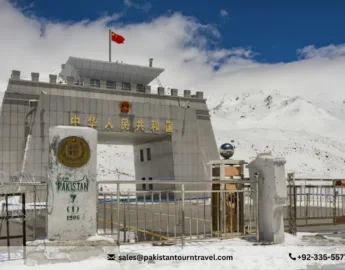
Khunjerab Pass marks the meeting point of Pakistan and China along the Karakoram Highway. The border monument and surrounding high-altitude landscape make it a popular photography stop for visitors travelling from Hunza. The pass is also an important international trade and transport corridor, connecting Pakistan with China’s Xinjiang region. It represents the modern connection between the two countries along the historic Silk Route.

One of the Highest Paved International Border Crossings

At 4,693 metres above sea level, Khunjerab Pass is recognised as the highest paved international border crossing in the world. The road climbs through increasingly dramatic mountain scenery before reaching the border area. Its elevation, remote setting and position along the Karakoram Highway make the journey particularly memorable for mountain travellers.

Spectacular Karakoram Mountain Scenery

The landscape around Khunjerab Pass is very different from the green valleys and orchards of Central Hunza. Here, the mountains become more rugged, vegetation becomes sparse and wide alpine landscapes stretch across the high-altitude terrain. During summer, visitors may see patches of green grassland, wildflowers and seasonal snowfields against the backdrop of the Karakoram Mountains.

Tourist enjoying their time at khunjerab pass with us

Khunjerab National Park and Wildlife

Khunjerab National Park is one of the most important protected mountain landscapes in Gilgit-Baltistan. Established in 1975, the park covers a large area of the upper Hunza region and protects fragile alpine ecosystems and wildlife habitats.

The park is particularly significant for its population of Himalayan ibex, blue sheep (bharal), red foxes, marmots and other mountain species. It is also an important habitat for the elusive snow leopard.

Wildlife sightings are never guaranteed, especially during a short sightseeing excursion. However, the park’s natural environment makes the journey interesting for nature lovers, photographers and travellers interested in the biodiversity of the Karakoram Mountains. Visitors should avoid disturbing wildlife, feeding animals or leaving rubbish in the protected area.

How to Reach Khunjerab Pass from Hunza?

Khunjerab Pass is reached via the Karakoram Highway, travelling north from Central Hunza through Gojal Valley towards Sost.
The road journey is one of the most scenic parts of the trip, passing through mountain villages, lakes, tunnels and impressive Karakoram landscapes.

Karimabad to Khunjerab Pass

The approximate road distance from Karimabad to Khunjerab Pass is 155–180 kilometres, depending on the starting point and route measurement. The journey generally takes around 3.5–5 hours one way, excluding sightseeing stops and possible delays. The route includes:

  • Karimabad: Begin your journey from Central Hunza.
  • Attabad Lake: Travel along the Karakoram Highway beside the turquoise lake.
  • Gulmit: Pass through this traditional Wakhi settlement in Upper Hunza.
  • Passu: Enjoy views of the famous Passu Cones and surrounding mountain scenery.
  • Sost: Reach the last major town before the border and the main settlement for final travel preparations.
  • Khunjerab National Park: Continue through the park towards the high-altitude border region.
  • Khunjerab Pass: Arrive at the Pakistan-China border area at 4,693 metres.

Sost to Khunjerab Pass

Sost is approximately 75–85 kilometres from Khunjerab Pass. The journey usually takes around 2–2.5 hours, depending on road conditions, traffic and weather. The road is paved, but its high elevation and remote mountain setting require careful driving. Travellers should allow additional time for stops and possible road restrictions.

Khunjerab Pass Entry Fee, Permits and Border Restrictions

Khunjerab Pass is reached through Khunjerab National Park, where visitors may be required to pay a park entry or conservation fee at the designated checkpoint.

Entry charges can vary for Pakistani residents, foreign visitors and other eligible categories. Rates may also change, so confirm the current fee with the park authorities or your local tour operator before departure. Carry cash for checkpoint payments.

For a normal sightseeing visit to the Pakistani side of Khunjerab Pass, crossing into China is not part of the excursion. Visitors must remain within the areas permitted by the authorities.

If you intend to cross into China, you will need to meet the applicable Chinese visa, immigration, and border-clearance requirements. A sightseeing trip to the pass does not provide permission to enter China.

Foreign visitors should carry their passports and valid Pakistani entry documents. Pakistani nationals should carry their CNIC. Follow any additional registration, security or travel instructions issued by the relevant authorities.

Places to Visit Near Khunjerab Pass

The journey from Central Hunza to Khunjerab Pass passes through some of the region’s most popular attractions. Depending on your schedule, you can include several of these destinations in your Upper Hunza sightseeing itinerary.

Attabad Lake

Located along the Karakoram Highway, Attabad Lake is famous for its striking turquoise water and dramatic mountain surroundings. Visitors can enjoy lakeside photography, boating when available and scenic viewpoints along the road.

Gulmit Village

Gulmit is a traditional Wakhi settlement in Gojal Valley. It is known for its cultural heritage, historic polo ground, traditional houses and beautiful mountain surroundings.

Passu Cones

Passu’s distinctive pointed peaks are among the most recognisable mountain landmarks in Hunza. The surrounding area offers excellent photography opportunities and spectacular views of the Karakoram range.

Borith Lake

Borith Lake is a peaceful high-altitude lake near Hussaini and Passu. It is a popular place for photography, birdwatching and enjoying the natural scenery of Upper Hunza.

Hussaini Suspension Bridge

Located near Hussaini village, the world’s most dangerous suspension bridge crosses the Hunza River and attracts visitors interested in adventure and photography. Check local crossing conditions, especially if you’re traveling with families or if anyone is uncomfortable with heights.

Sost

Sost is the last major settlement before Khunjerab Pass and an important stop along the Karakoram Highway. It is known for border trade, customs facilities, and its role as a gateway to the Pakistan-China crossing.

Can You Visit Khunjerab Pass on a Day Trip from Hunza?

Yes. Khunjerab Pass can be visited on a full-day excursion from Karimabad or other parts of Central Hunza. The journey involves approximately 155–180 kilometres of driving each way, so travellers should plan for a long day. A round trip generally requires around 9–12 hours, depending on road conditions, sightseeing stops and the time spent at the pass.

An early morning departure is recommended to allow enough time for the journey and return before evening. Travellers staying in Passu, Gulmit or Sost have a shorter journey to the pass.

If you want to explore Attabad Lake, Gulmit, Passu and other Upper Hunza attractions along the way, consider planning an overnight stay rather than rushing through the region in one day.

Weather, Temperature and Altitude at Khunjerab Pass

At 4,693 metres, Khunjerab Pass is a high-altitude destination where temperatures can be significantly lower than in Karimabad, Gulmit or other parts of Hunza.

Even in summer, cold winds and sudden weather changes are common. Snowfall may occur outside the main winter season, and visibility can change quickly.

The high elevation also increases the risk of altitude-related illness. Some visitors may experience headaches, dizziness, nausea, unusual tiredness or shortness of breath.

Allow your body time to acclimatise in Hunza before travelling to the pass. Avoid strenuous physical activity, stay hydrated and do not ignore symptoms of altitude sickness. Anyone experiencing worsening symptoms should descend to a lower altitude and seek medical assistance.

Travellers with existing medical concerns should consult a healthcare professional before visiting such a high-altitude destination.

What to Pack for Khunjerab Pass

Even if you are visiting in summer, prepare for cold, changing mountain weather.

  • Warm jacket or insulated outerwear.
  • Comfortable shoes with good grip.
  • Sunglasses and sunscreen.
  • Hat, gloves and warm socks.
  • Drinking water and light snacks.
  • Personal medication and basic first-aid supplies.
  • CNIC or passport and relevant travel documents.
  • Cash for park fees and small purchases.
  • Fully charged mobile phone and power bank.
  • Camera or smartphone for photography.

Keep your belongings organised and avoid carrying unnecessary luggage on the excursion.

Explore Khunjerab Pass with a Hunza Valley Tour

Experience the remarkable landscapes of the Karakoram Highway with a planned journey to Khunjerab Pass. From the turquoise waters of Attabad Lake and the traditional villages of Gojal to the spectacular Pakistan-China border at 4,693 metres, this excursion is a highlight of any Hunza Valley holiday.

Pakistan Tour and Travel arranges private and group sightseeing tours to Khunjerab Pass as part of customised Hunza and Upper Hunza itineraries. Our travel arrangements can include private transportation, experienced local drivers, hotel accommodation, and visits to nearby attractions according to your travel schedule.

Whether you are travelling from Islamabad, Lahore, Karachi or abroad, we can help you plan a comfortable journey through Hunza and the Karakoram Highway. Explore our Hunza Tour Packages and Khunjerab Pass Tour Packages to plan your trip.

Frequently Asked Questions About Khunjerab Pass

What is the height of Khunjerab Pass?

Khunjerab Pass is located at 4,693 metres (15,397 feet) above sea level. It is recognised as the highest paved international border crossing in the world.

Is Khunjerab Pass open throughout the year?

The Pakistan-China border port has arrangements for year-round operations. However, tourist access by road is affected by snowfall, weather and road conditions. May to October is generally the more practical sightseeing season.

What is the entry fee for Khunjerab Pass?

If you’re visiting Khunjerab Pass, you’ll need to pay 500 PKR if you’re a local or 30 USD if you’re coming from abroad. The pass is open to visitors during the daytime, so plan your trip accordingly to make the most of your visit.

How far is Khunjerab Pass from Hunza?

Khunjerab Pass is approximately 155–180 kilometres from Karimabad, Central Hunza. The journey generally takes around 3.5–5 hours one way, depending on road conditions and stops.

How far is Khunjerab Pass from Sost?

Khunjerab Pass is approximately 75–85 kilometres from Sost. The drive usually takes around 2–2.5 hours.

Can tourists visit Khunjerab Pass without a Chinese visa?

Yes. A Chinese visa is not required simply to visit the Pakistani side of Khunjerab Pass. However, crossing into China requires the appropriate Chinese entry documents and immigration clearance.

Can foreigners visit Khunjerab Pass?

Foreign tourists can visit Khunjerab Pass, subject to applicable Pakistani visa conditions, security requirements and local access regulations. They should carry their passports and confirm current travel arrangements before departure.

Is Khunjerab Pass safe for families?

Families can visit Khunjerab Pass when road and weather conditions are suitable. However, the high altitude and cold weather require preparation. Young children and older travellers may be more affected by the elevation, so allow time for acclimatisation and avoid rushing the journey.

Is there snow at Khunjerab Pass in summer?

Snow can remain in the surrounding mountains throughout summer, and occasional snowfall is possible even during warmer months. Actual conditions depend on the season and weather.

How much time should I spend at Khunjerab Pass?

Most visitors spend approximately 30–60 minutes at the pass for sightseeing and photography. The full excursion from Central Hunza generally takes 9–12 hours, including the return journey and stops.

Is Khunjerab Pass part of Khunjerab National Park?

Yes. The pass is located within the Khunjerab National Park region, a protected area known for its high-altitude landscapes and wildlife.

Can I visit Khunjerab Pass in a private car?

Yes, visitors can travel in a private vehicle when the road is open to tourist traffic and access is permitted. A suitable vehicle, an experienced driver and advance confirmation of road conditions are recommended.

Membership & Affiliations

Licensed by Government of Pakistan Department of Tourist Services (DTS) Federal Board of Revenue (FBR) Pakistan Logo Registered Member - Pakistan Association of Tour Operators (PATO) Registered Exporter - Trade Development Authority of Pakistan (TDAP) Corporate Member - Rawalpindi Chamber Of Commerce & Industry (RCCI)