×
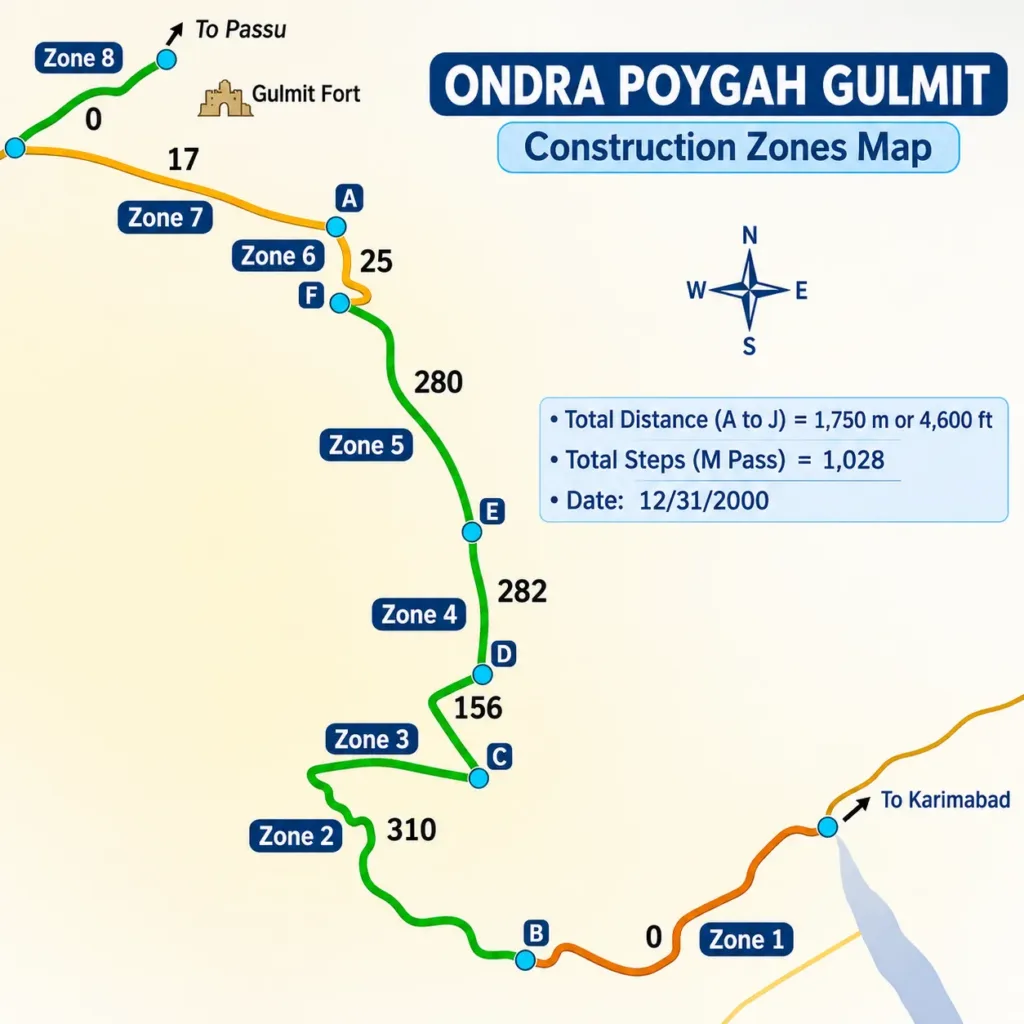
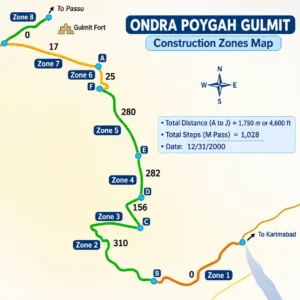
Ondra Poygah Gulmit Construction Map
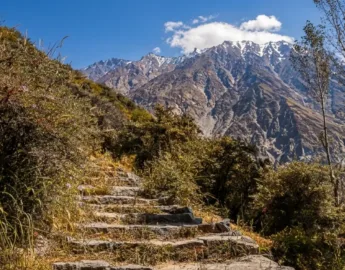
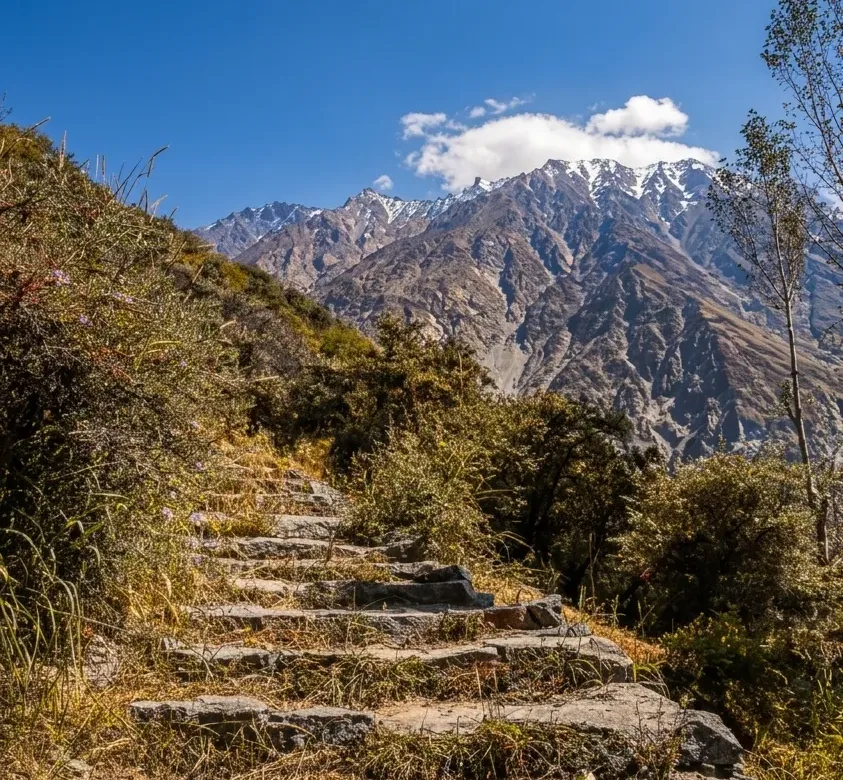
ondra poygah stairs

Scenic Viewpoint in Gulmit, Gojal

Ondra Poygah Hunza

Ondra Poygah is a distinctive sightseeing and hiking attraction in Upper Hunza, above Gulmit village in Gojal Valley, Gilgit-Baltistan. Known for its long stone staircase leading to the historic Ondra Fort, the attraction lets visitors experience the mountain landscape from above while exploring an important part of Gulmit’s heritage. The climb takes you above the village, where the surrounding landscape opens towards Gulmit’s cultivated fields, neighbouring settlements, Attabad Lake and the mountains of Upper Hunza. The staircase itself is a major part of the experience, making Ondra Poygah an interesting stop for travellers who enjoy walking, photography and outdoor sightseeing. Whether you are exploring Hunza with family, travelling along the Karakoram Highway, or spending a few days in Gojal, Ondra Poygah offers different angles of valley beyond the usual roadside viewpoints.

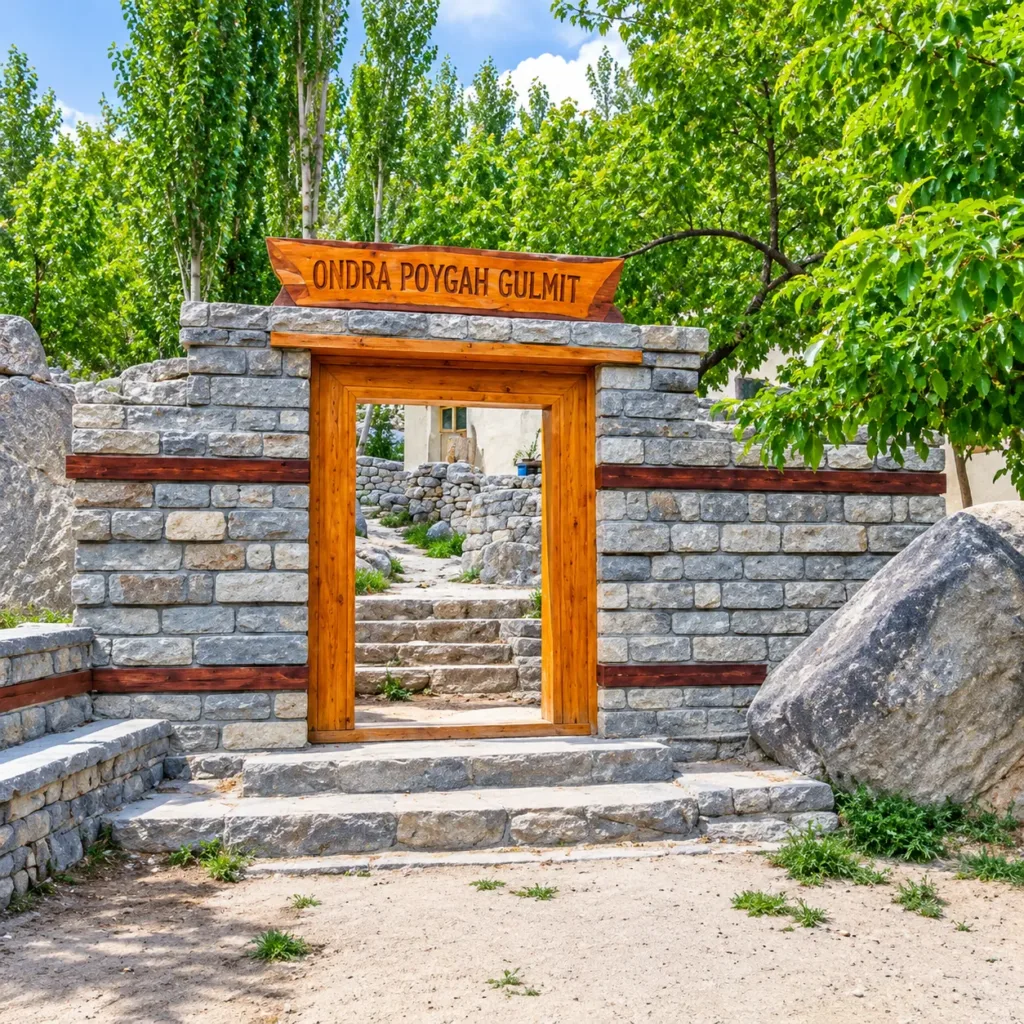
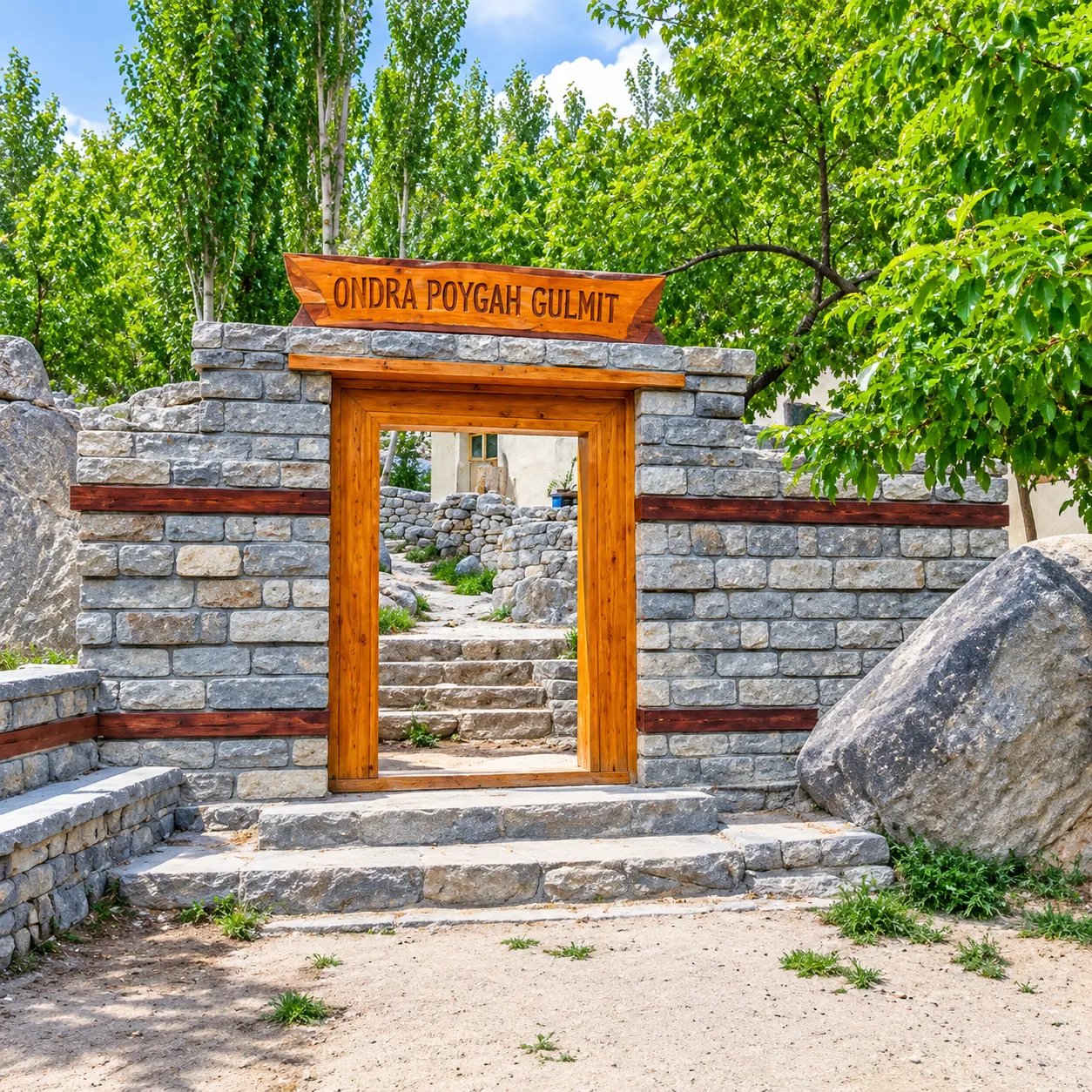
Ondra Poygah is a community-built staircase and hiking route connecting the historic polo ground area of Gulmit with the hilltop site of Ondra Fort. The name combines Ondra, referring to the hill and ancient fort, with Poygah, a Wakhi word meaning stairs or steps. The project was initiated by the local community to promote eco-tourism and cultural tourism in Gulmit. It also provides visitors with access to the historical site above the village.  The route, a community initiative, leads through the old settlement to Ondra Fort and its walled village.  Unlike a conventional mountain viewpoint reached by vehicle, Ondra Poygah involves a sustained staircase climb. Visitors experience the changing landscape gradually as they move above the village.

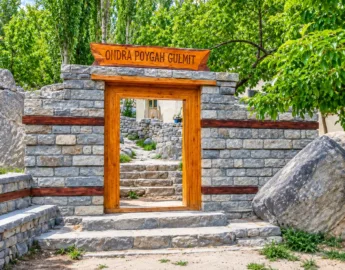
Rustic Stone Gateway Amid Greenery
Longest & Highest Stairs in North Pakistan

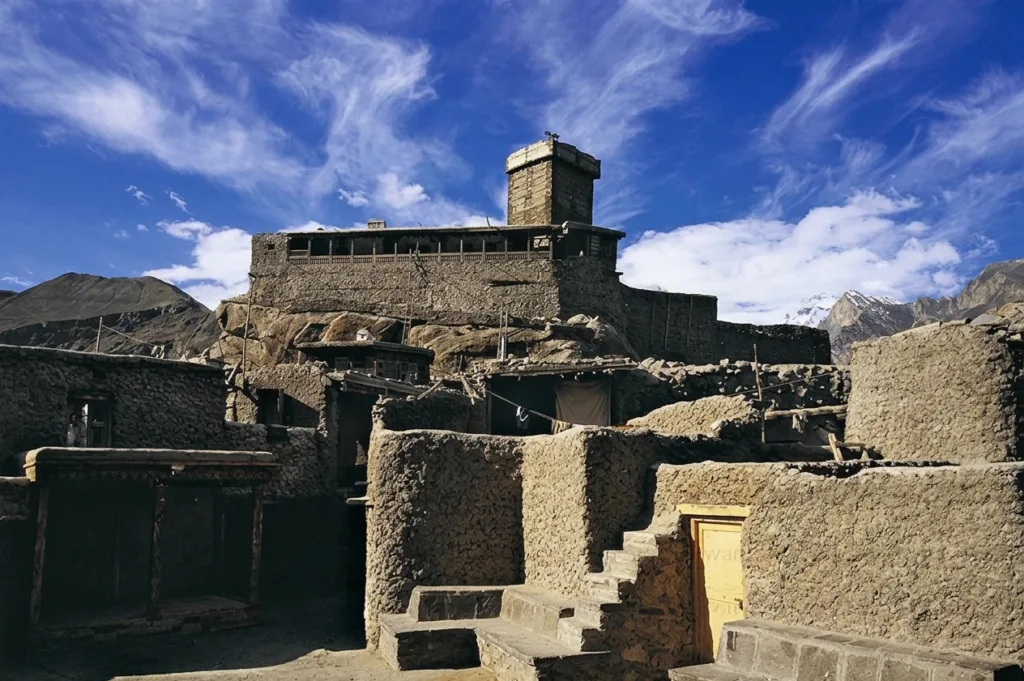
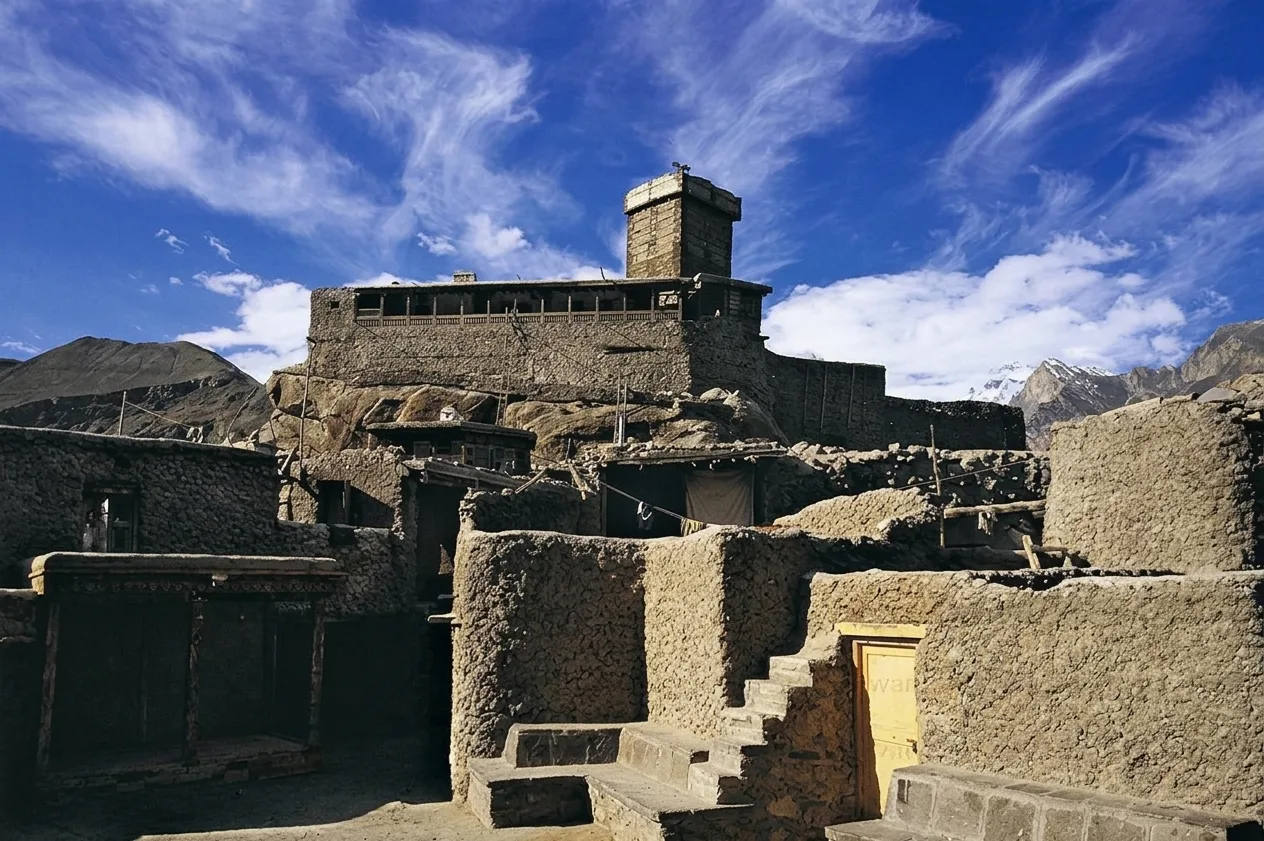
Ondra Fort in Ondra Poygah

History, Architecture and the Legacy of Gulmit's Ancient Stronghold

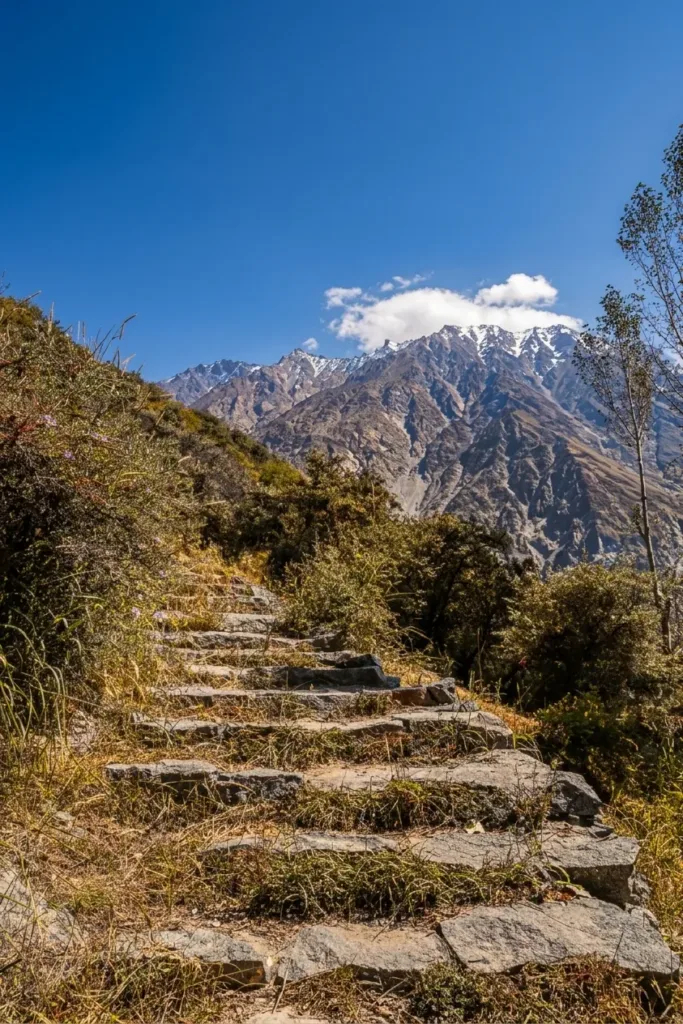
The staircase is the attraction’s most recognizable feature. Built by the Gulmit community, it has approximately 1,750 steps and is approximately 1,028 metres long. The steps follow the hillside towards the Ondra Fort area. Visitors should expect an uphill walk that requires regular breaks, particularly if they are not accustomed to climbing stairs for an extended period. As you gain height, Gulmit’s layout becomes increasingly visible. The village’s houses, cultivated land, orchards, and surrounding settlements create a different perspective from the valley floor.

Ondra Fort is a historic fortified settlement above Gulmit in Upper Hunza, traditionally associated with Qutlug Beg (Qutlugh Baig), a Wakhi ruler believed to have established his authority in the area during the 16th century. According to local oral traditions, Qutlug Beg established a separate centre of power that challenged the Mirs of Hunza’s authority. The fort served as a defensive stronghold and protected settlement during a period of regional political rivalries. Qutlug Beg ruled Gulmit and its surrounding territory for about 12 years before his death, after which the area reportedly returned to the Mir of Hunza. The exact construction date and historical sequence remain uncertain because much of its history comes from oral traditions.

Architecturally, Ondra Fort was an enclosed settlement with an approximately oval-shaped layout, thick stone defensive walls, and separate northern and southern residential quarters. An east-to-west central wall divided the interior, while elevated ramparts and defensive openings provided protection and observation points. Some surviving wall sections are reported to reach approximately 6–15 feet in height. The structure combined military and residential functions, with enclosed spaces believed to have served as living quarters and storage areas.

Over the centuries, the fort gradually fell into ruin because of harsh weather, neglect, and the removal of building materials. Some sections of its outer walls were reportedly repaired around 150 years ago, while the inner structures are believed to be considerably older. In October 2010, Gulmit residents launched a community-led restoration effort to protect the remaining walls and preserve this important part of their Wakhi heritage. Today, the surviving ramparts, stone partitions, and foundations offer a glimpse into the region’s historical architecture and the lives of its early inhabitants.

ondra poygah ondra fort jpg

QUICK FACTS ABOUT ONDRA POYGAH HUNZA

Highlights Details
Location Gulmit, Upper Hunza / Gojal, Hunza District, Gilgit-Baltistan, Pakistan.
Type Hiking trail and stone staircase leading to the historic Ondra Fort ruins.
Number of Stairs Approximately 1,655 steps.
Trail Length Approximately 1.3 km.
Time Needed Approximately 45–90 minutes one way, depending on fitness level, walking pace, and rest stops.
Difficulty Moderate. The uphill staircase requires reasonable walking fitness and stamina, particularly at high altitude.
Opening Hours 9 am to 5 pm
Entry Fee 500 pkr.
Best Time to Visit Spring, when cherry blossoms add seasonal colour to Gulmit, and autumn, when the surrounding landscape displays beautiful fall colours.
Nearest Major Town Gulmit village, which serves as the starting point for visiting Ondra Poygah.
Accessibility Not wheelchair accessible. The route involves an extended uphill staircase and requires reasonable walking fitness.
Explore Upper Hunza

Ready to Climb Ondra Poygah in Gulmit?

Experience the historic staircase, panoramic mountain views and cultural charm of Gulmit. Explore our Hunza Valley tour packages or customize your trip with sightseeing stops across Upper Hunza.

Trip Package Line

Where Is Ondra Poygah Located?

Ondra Poygah is located in Gulmit village, in Gojal Valley, Upper Hunza, Gilgit-Baltistan, Pakistan. Gulmit is an important settlement along the Karakoram Highway, the main road connecting central Hunza with northern Gojal and the Khunjerab Pass region. The attraction is situated above the village, with its staircase beginning near the historic Gulmit Polo Ground.

For travellers approaching from Karimabad, the journey follows the Karakoram Highway northwards, passing the Attabad Lake area before reaching Gulmit. Visitors travelling further towards Passu and Khunjerab can also include Ondra Poygah as a sightseeing stop along their Upper Hunza journey.

Its location makes it particularly suitable for travellers who want to explore Gulmit rather than simply pass through the village on their way to Passu.

Ondra Poygah Gulmit Construction Map

What to Expect When Climbing Ondra Poygah

The Ondra Poygah experience is primarily a staircase climb rather than a technical mountain trek. However, the sustained uphill walking should not be underestimated.

The route follows a long series of steps, and the physical effort depends on your walking pace, fitness, and how frequently you stop. Allow sufficient time for the ascent, photography and rest breaks. A reliable, independently verified average climbing time is not available, so it is better not to plan around a fixed duration.

Wear comfortable hiking shoes with good grip, carry drinking water, and use sun protection, particularly during warmer months. A light jacket is useful because conditions can change with elevation and weather.

Families with older children can consider the climb if everyone is comfortable with prolonged stair walking. Older visitors and people with knee, mobility, or balance limitations should assess the route carefully before starting. It is not safe to assume the entire staircase is accessible to everyone.

If you prefer a shorter approach, you can drive to Kamaris village, then climb the remaining Poygah route. But before travelling. always confirm the current road access and local arrangements before relying on this alternative.

ondra poygah stairs

Best Time to Visit Ondra Poygah

The warmer months are generally best for outdoor sightseeing and walking the staircases in Upper Hunza. June to September is a particularly practical period to consider, although actual trail conditions should always be checked locally.

Spring (March to May): Gulmit’s surroundings begin changing with the season. Temperatures can remain cool, particularly in the mornings, and snow or slippery sections may affect access.

Summer (June to August): A suitable period for outdoor activities, village sightseeing and mountain photography. Carry water and sun protection during the climb.

Autumn (September to November): The surrounding trees and agricultural landscape take on seasonal colours. Cooler temperatures make appropriate clothing important.

Winter (December to February): Snow, ice and freezing temperatures can make the staircase difficult or unsafe. Confirm accessibility with local residents before planning a visit.

The best visiting period ultimately depends on current weather, trail conditions, and the amount of time available in your Hunza itinerary.

Nearby Attractions to Visit Around Ondra Poygah

Gulmit is well positioned for exploring several popular attractions in Upper Hunza. Visitors can combine Ondra Poygah with other sightseeing stops depending on their available time.

Gulmit Village: Spend time exploring the traditional settlement, its historic polo ground, local architecture and cultural surroundings. It offers a closer look at everyday life in Gojal.

Passu Cones: These cone-shaped peaks are among the most recognizable landscapes in Upper Hunza. They are a popular stop for photography and mountain sightseeing.

Attabad Lake: Known for its striking turquoise water and surrounding mountains, Attabad Lake is a major attraction along the Karakoram Highway. Visitors can enjoy lakeside scenery and seasonal boating.

Borith Lake: A peaceful high-altitude Borith lake near Hussaini, worth visiting for its natural surroundings, birdlife, and quieter atmosphere.

Hussaini Suspension Bridge: One of the world’s most dangerous bridges, attracting visitors interested in adventure and photography. Crossing it involves walking over a suspended bridge with gaps between its wooden planks.

Passu Glacier: An impressive glacier landscape near Passu, offering a closer look at the region’s glacial terrain and surrounding Karakoram mountains. Reaching the glacier requires a separate walk and appropriate preparation.

Explore Ondra Poygah on a Hunza Valley Tour

A visit to Ondra Poygah can be included in a customized Hunza sightseeing itinerary, especially for travellers exploring Gulmit, Passu, and other Upper Hunza attractions.

We arrange Hunza Valley trip packages for domestic and international travellers, with options for private sightseeing, road journeys, and customized holidays. Depending on your travel schedule, we can include Gulmit village and the Ondra Poygah staircase alongside other attractions in Gojal Valley.

Travellers departing from Islamabad, Lahore, Karachi, or other major cities can discuss a customized itinerary that combines Hunza sightseeing with additional destinations in northern Pakistan. Transportation, accommodation, and sightseeing arrangements can be planned according to the group’s requirements. Our company operates under Government of Pakistan DTS License ID-2650 and has 12 years of experience in tourism services.

Frequently Asked Questions About Ondra Poygah

Where is Ondra Poygah located in Hunza?

Ondra Poygah is located above Gulmit village in Gojal Valley, Upper Hunza, Gilgit-Baltistan. Its staircase begins near the historic Gulmit Polo Ground and leads towards Ondra Fort.

What is Ondra Poygah famous for?

Ondra Poygah is known for its long community-built staircase, historical hilltop location and panoramic views of Gulmit, Attabad Lake and the surrounding mountains of Upper Hunza.

How many steps does Ondra Poygah have?

The Gilgit-Baltistan tourism brochure mentions approximately 1,750 steps. Some other travel publications report around 1,655 steps, so the published figures vary.

How difficult is the Ondra Poygah hike?

It is a sustained uphill staircase climb. Although it does not require technical mountaineering skills, it can be physically demanding for people who are not accustomed to extended stair walking.

How much time is needed to visit Ondra Poygah?

The time depends on your fitness, walking speed and photography breaks. Allow sufficient time for the uphill climb, enjoying the viewpoint and returning safely. Confirm current local estimates before your visit.

What is the best time to visit Ondra Poygah?

June to September is generally a suitable period for visiting and outdoor activities. Spring and autumn can also offer interesting scenery, but winter snow and ice may affect staircase accessibility.

Can families visit Ondra Poygah?

Yes, families with children who are comfortable with extended walking can consider visiting. However, the climb may be challenging for young children, older visitors and people with mobility limitations. Parents should supervise children throughout the staircase.

Can Ondra Poygah be included in a Hunza sightseeing tour?

Yes. Ondra Poygah can be included in a customized Upper Hunza sightseeing itinerary arranged through Pakistan Tour and Travel. It can be combined with Gulmit, Attabad Lake, Passu and other nearby attractions depending on your schedule.

Membership & Affiliations

Licensed by Government of Pakistan Department of Tourist Services (DTS) Federal Board of Revenue (FBR) Pakistan Logo Registered Member - Pakistan Association of Tour Operators (PATO) Registered Exporter - Trade Development Authority of Pakistan (TDAP) Corporate Member - Rawalpindi Chamber Of Commerce & Industry (RCCI)