The following highlights can be part of a customised visit, depending on current access, local conditions, and available time.
1. Baba Ghundi Shrine and Ziarat
Baba Ghundi Shrine is the main cultural and spiritual attraction in Chapursan Valley. Local tradition associates Baba Ghundi with the introduction or spread of Islam in this part of the mountains, and the site remains significant to residents and pilgrims.
The shrine stands in the upper valley, surrounded by open terrain and mountain scenery. Visitors come for its religious importance as well as the opportunity to experience a place that is central to local identity.
Allow time to appreciate the surroundings without treating the shrine simply as a photography stop. Dress modestly, follow instructions from local caretakers and ask before taking photographs during prayers or gatherings.
Travel note: Confirm the condition of the access track and whether visits are currently appropriate before setting out.
2. Zood Khun Village
Zood Khun, also written Zoodkhun or Zuwud Khoon, is among the last permanent settlements in the upper valley. It is an important stopping point for travellers heading towards Baba Ghundi Shrine and the surrounding highlands.
The village offers an opportunity to observe the rhythms of life in a remote Wakhi community. Depending on local arrangements, visitors may be able to meet residents, learn about traditional mountain living and organise a meal, overnight stay or guided excursion.
Do not assume that previously advertised guesthouses are operating normally. Earthquake damage in 2026 affected Zood Khun and neighbouring settlements, so accommodation must be confirmed directly before departure.
3. The Wakhi Villages of Chapursan
Chapursan is not a single sightseeing point but a long valley containing a series of small settlements. Villages and localities along the route include Yarzerech, Reshit, Ispenj and Zood Khun, with spellings varying between maps and local usage.
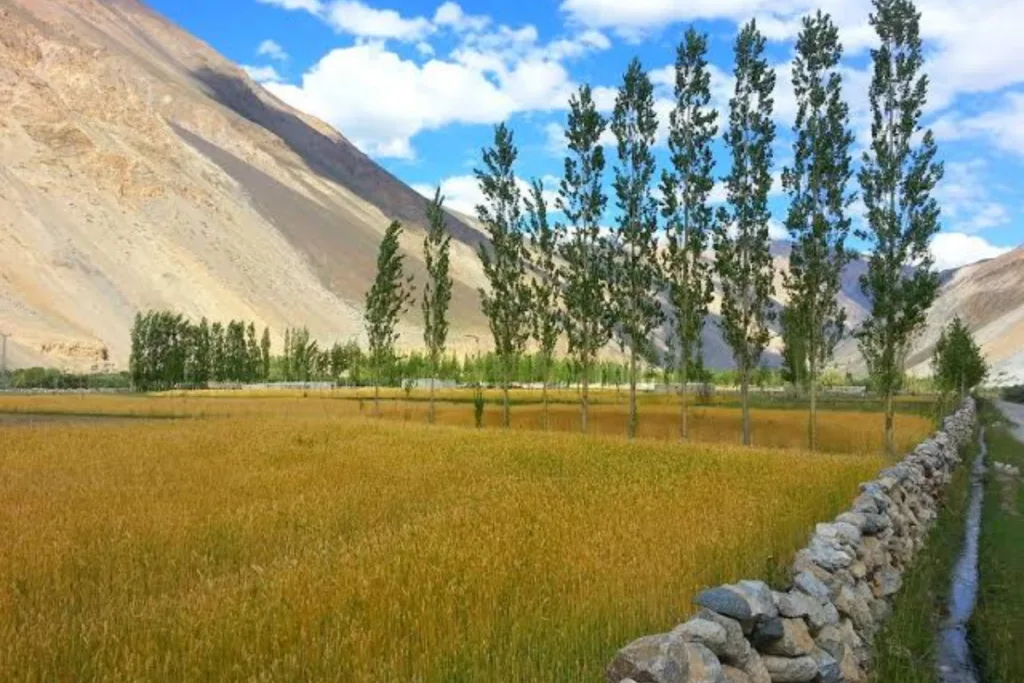
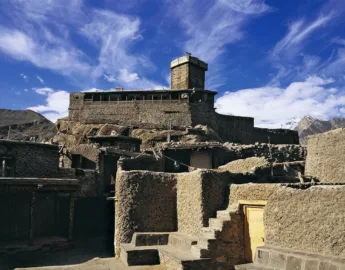
Each settlement sits within a landscape shaped by irrigation, cultivation, grazing and the availability of water. Depending on the route and access conditions, a village visit can reveal traditional building styles, terraced or irrigated fields, livestock and the close relationship between households and the surrounding mountains.
For a cultural experience, ask a local guide to introduce you to the community rather than entering private spaces uninvited.
4. High Mountain Landscapes and Pastures
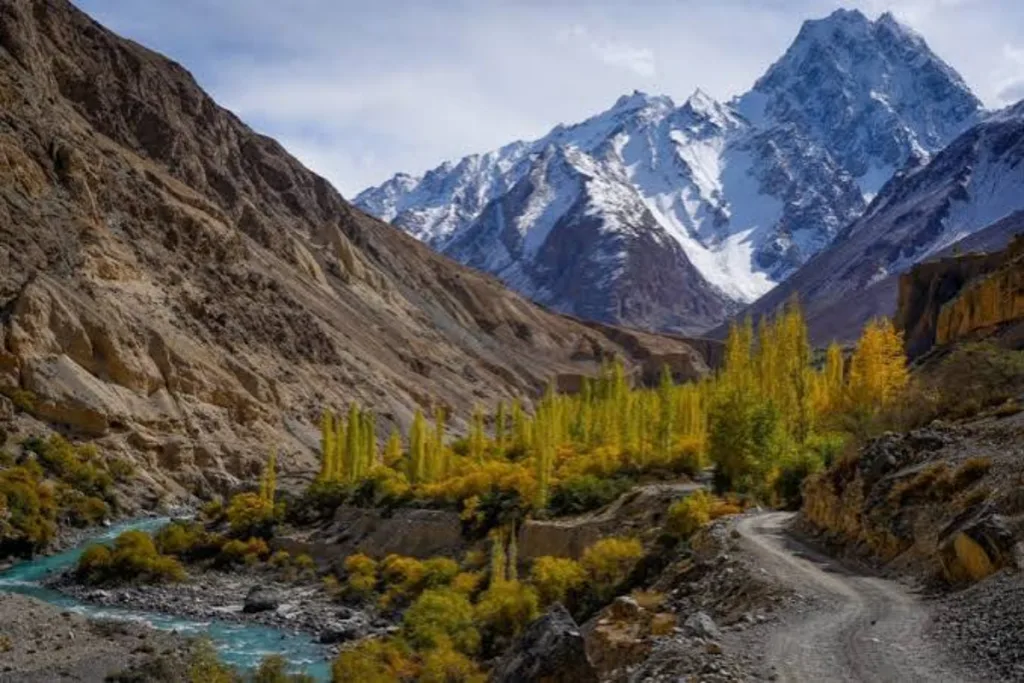
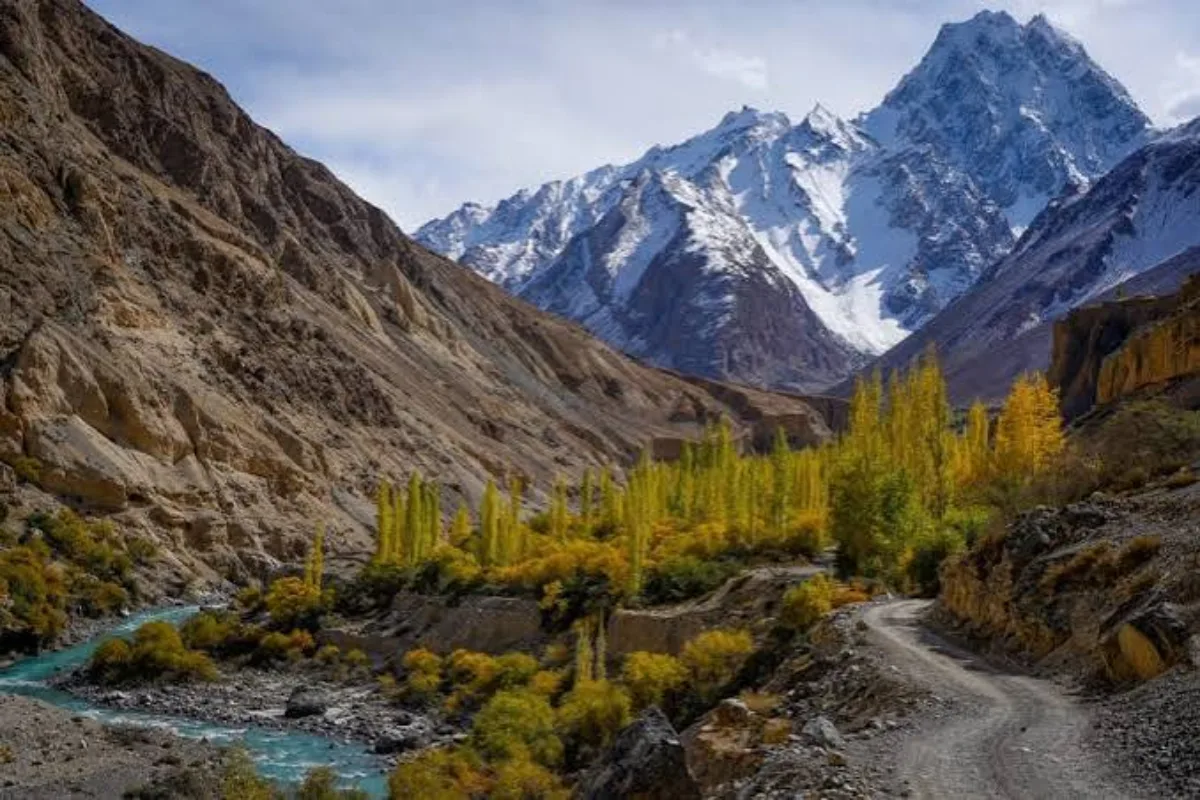
Chapursan’s appeal lies in its wide valley floor, rugged slopes and high-altitude pastures. During the warmer months, cultivated land and grazing areas contrast with the drier mountainsides and snow-covered peaks.
The scenery changes as you travel farther from Sost. Settlements become more scattered, the built environment thins out and the landscape opens towards the upper valley.
Photography is rewarding in changing mountain light, especially in the early morning and late afternoon. However, weather can change quickly, and roadside viewpoints should only be used where stopping is safe.
5. Chapursan Valley Trekking and Guided Walks
For travellers who want to explore beyond the road, Chapursan offers opportunities for local walks and more demanding mountain excursions. Routes may follow village paths, pasture trails and historic mountain approaches.
Trekking possibilities depend on snow, weather, trail conditions, local permissions where applicable and the availability of a knowledgeable guide. Do not assume that a trail is safe or open simply because it appears on a map.
For shorter visits, a guided walk near an accessible settlement may be more rewarding than attempting a remote pass. Longer routes require proper planning, suitable equipment and a realistic assessment of altitude, fitness and emergency support.
6. Seasonal Lakes, Streams and Waterways
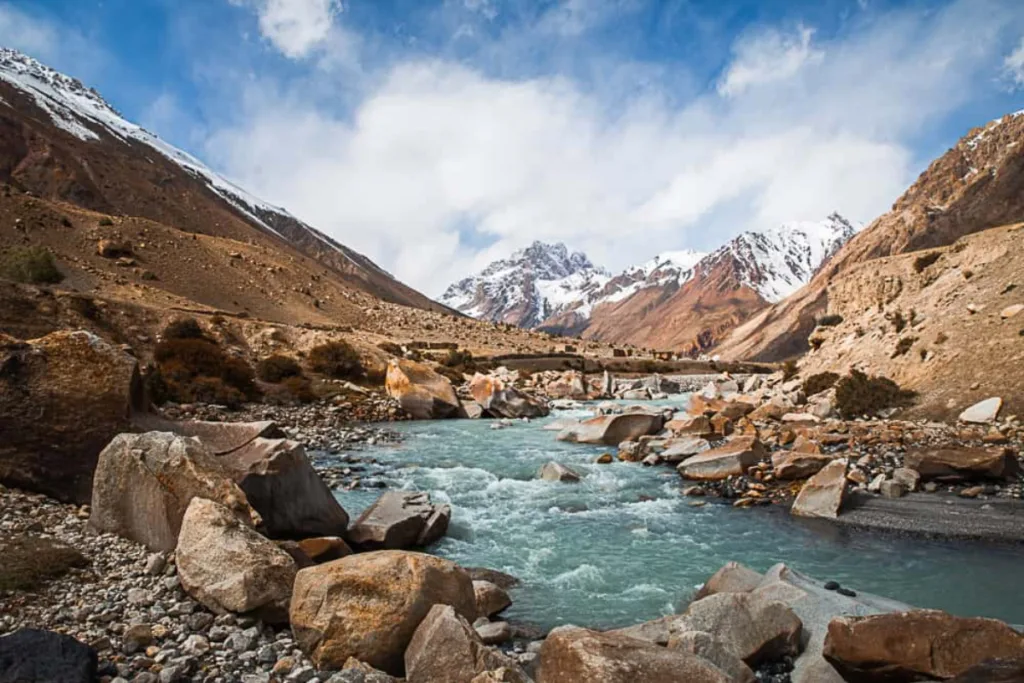
Small high-altitude lakes, streams and glacially influenced waterways are part of the wider Chapursan landscape. Their appearance and accessibility vary with the season, snowmelt and local conditions.
Rather than promising a particular lake as an easy excursion, arrange any waterway or lake visit with a local guide who knows the current route. Some locations require walking beyond the road, and not every mapped feature is accessible to ordinary sightseeing vehicles.
Keep away from unstable stream banks, steep slopes and areas affected by recent landslides. Glacial water can be dangerously cold, and water levels can rise rapidly during warm weather or heavy rainfall.
7. Wakhi Food, Hospitality and Community Traditions
Food and hospitality are an important part of experiencing Chapursan. Where hosts are available, a home-cooked meal or an overnight stay can provide a more personal understanding of mountain life than a short sightseeing visit.
Ask about seasonal dishes, local ingredients and the work involved in farming and livestock keeping. Food availability will depend on the host and the season, so communicate dietary requirements in advance.
Community celebrations and the Baba Ghundi Festival also feature on the valley’s cultural calendar. Festival dates and programmes vary by year; confirm official announcements and local arrangements before planning your journey around an event.