Capital of Punjab
Lahore - 2nd Largest City of Pakistan
Lahore is more than Pakistan’s second-largest city; it’s the country’s cultural heartbeat. Every corner tells a story, from the Mughal-era forts and mosques that crown the skyline to the food streets buzzing late into the night. The old walled city, with its narrow lanes and centuries-old bazaars, stands in striking contrast to modern neighborhoods filled with malls, cafés, and universities. Lahore’s charm lies in that mix, ancient and alive, historic yet constantly evolving. Once a Mughal capital and later a centrepiece of British colonial rule, it played a pivotal role in shaping Pakistan’s identity, hosting the 1940 Lahore Resolution that led to independence. Today, it remains the soul of Punjab, where art, learning, and hospitality thrive. Whether you’re walking through Shahi Qila, tasting kebabs on Food Street, or catching a cricket match at Gaddafi Stadium, Lahore sweeps you up with its warmth and relentless energy.
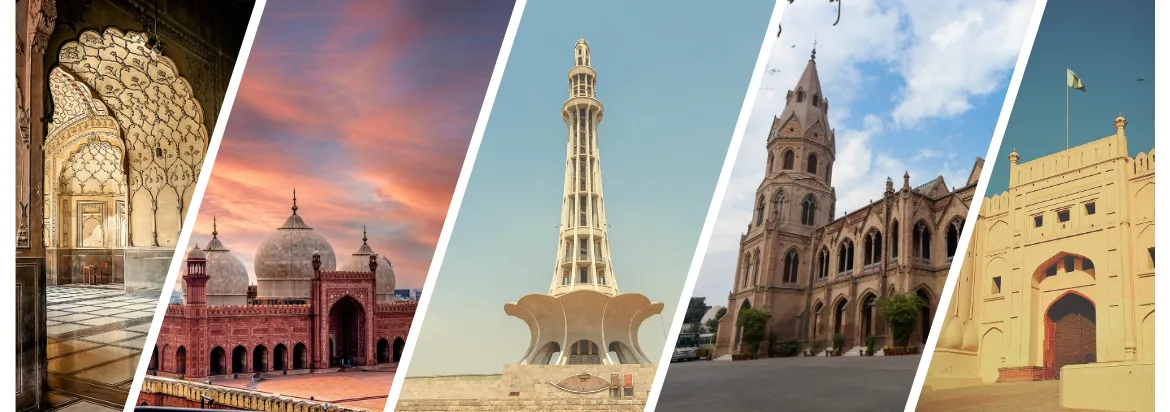
Many people mistakenly view Lahore as just one big city or a single district, but its governance is actually structured as the vast Lahore Division. The extensive administrative umbrella proudly contains four central districts: Kasur, Lahore, Nankana Sahib, and Sheikhupura. At the heart of this region lies the pivotal Lahore District, which itself is not a monolithic entity. Instead, it is skillfully partitioned into several key administrative subdivisions (often referred to as tehsils or towns), such as Model Town, Raiwind, Shalimar, Lahore City, and Lahore Cantonment. Its multi-layered architecture, from the divisional high ground down to these diverse local areas, is essential for truly comprehending the scale and complex organization of this major Pakistani metropolis.

Check All
Best 1, 2 & 3 Day Lahore Packages
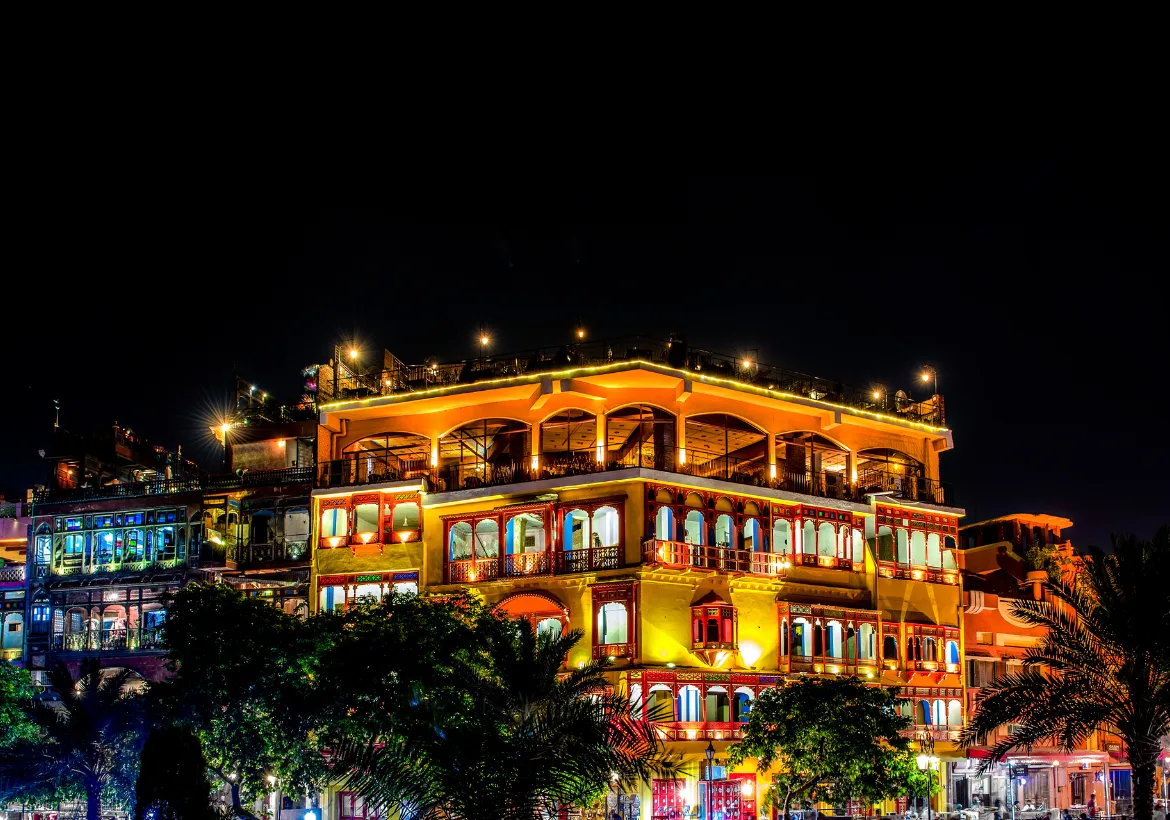

Ghaznavid, Mughal & British Colonial Era
History & Importance of Lahore
Sightseeing Lahore Tour Starting from 10,000/-pkr
Lahore’s story starts way back, with digs showing people lived there over 1,500 years ago, even before Muslim times. It grew big under the Mughals in the 1500s, when Akbar made it his capital around 1580, building up the fort and city.
Later emperors like Jahangir, Shah Jahan, and Aurangzeb added mosques and gardens, turning it into a jewel of architecture. The Sikhs took over in the 1800s, with Ranjit Singh ruling from here. Then the British came in and modernised it with railways and buildings. Post-independence, it was central to Pakistan’s birth; the 1940 Lahore Resolution happened here, leading to the country’s creation.
Today, Lahore’s importance is immense as Punjab’s capital, a connector via motorways to Islamabad and beyond, and a tourist magnet for its mix of old and new. The walled city is key here, once the heart of Punjab, birthplace of Sikhism’s founder Guru Nanak, and packed with Mughal gems like mosques and hammams. It saw empires rise and fall, from the Mughals who built its walls to the British who tore them down.
Now, it’s a living museum, with restored spots drawing crowds for food, shopping, and history walks. The importance of this walled city keeps Lahore alive as a cultural spot, blending past glory with today’s energy.
How to Reach Lahore - Different Commute Options for Lahore
Getting to Lahore is straightforward, with options by road, air, or train. The distance from Islamabad is about 380 km, and the best way is the M-2 motorway, a smooth six-lane highway that takes around 4-5 hours by car.
Mostly yes, but GT Road (N-5) can be slower with traffic, making it a less preferred alternative. Flights from Islamabad’s airport to Lahore’s Allama Iqbal International take just 1 hour, with multiple daily options on PIA and other airlines, with schedules running from early morning to late night.
From Karachi, the journey is about 1,200 km by road via the M-9 and N-5, taking 12-15 hours. Conditions vary but are generally decent on the motorways. Flights are quicker, around 2 hours, with frequent services.
Trains like the Karachi Express connect too, offering overnight trips. For all routes, Pakistan’s motorways are part of a significant trade corridor linking ports, so they’re well-maintained. Here’s a map to visualize the drive from Islamabad to Lahore.
Famous Places & Things to Do in Lahore
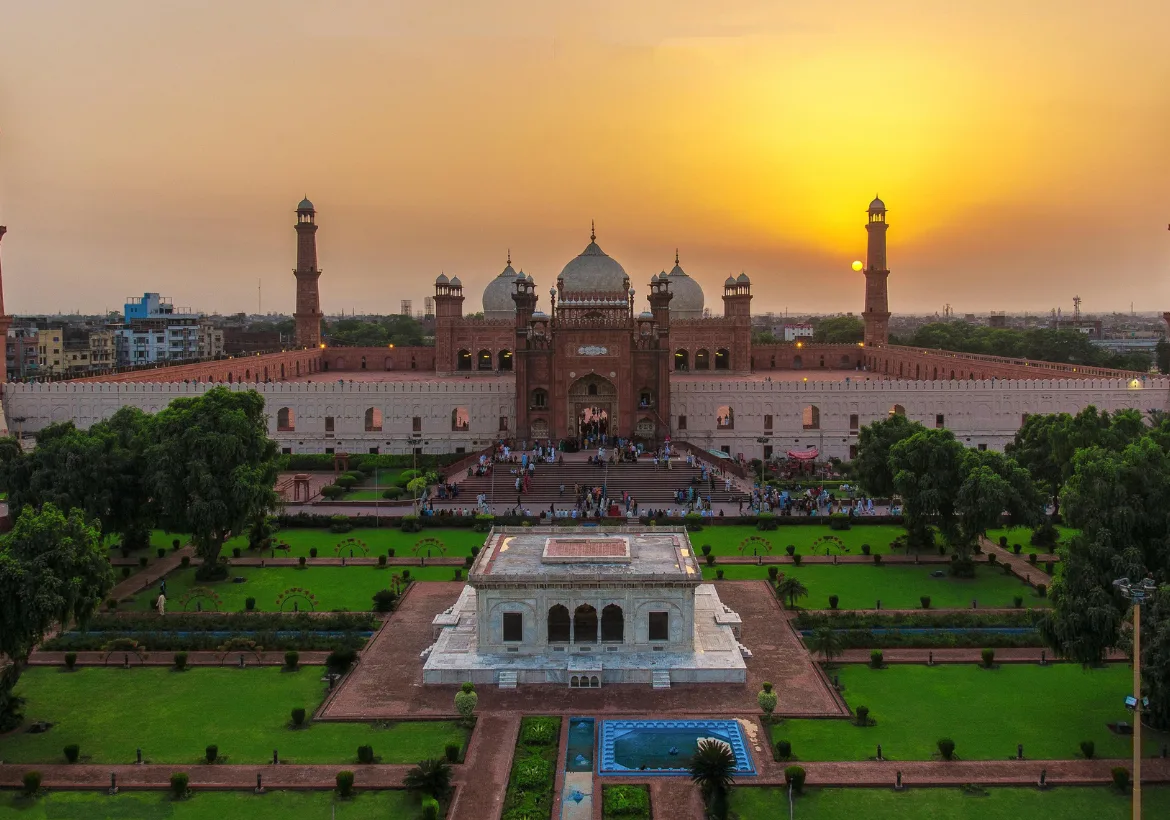
Lahore’s tourist points are a treasure trove, starting with Badshahi Masjid, a massive red sandstone mosque built in 1673 by Aurangzeb. It holds up to 100,000 worshippers and showcases Mughal art with its domes and minarets. Right next is the walled city of Lahore, a maze of old streets with restored gates, hammams, and bazaars; it’s where history lives, from Mughal times to now.
Minar-e-Pakistan towers in Iqbal Park, a 70-meter minaret marking the 1940 resolution for Pakistan, great for views and picnics. Shahi Qila, or Lahore Fort, spans 20 hectares and features palaces like Sheesh Mahal, known for its mirror work. It was built in Akbar’s era in 1580 and later expanded by subsequent rulers. Wazir Khan Mosque dazzles with frescoes and tiles, a 1630s gem in the walled city for worship and culture.
Other forts include spots in the main one, but masjids like Mariyam Zamani’s add variety. Parks abound, Shalimar Gardens for Mughal terraces, Jilani Park for races and greens. Cinemas in the Emporium Mall or the Fortress Stadium screen hits, while malls like Packages or Emporium offer shopping. Anarkali Bazaar hustles with clothes, food, and vibes, a must for local flavor.
Lahore is a city that hums with energy, offering a blend of deep-rooted history and vibrant modern fun. Whether you’re chasing Mughal-era stories or looking for kid-friendly adventures, there’s something for everyone. Here’s a breakdown of the top things to do, each with a quick glimpse of what makes it special.
Walled City of Lahore
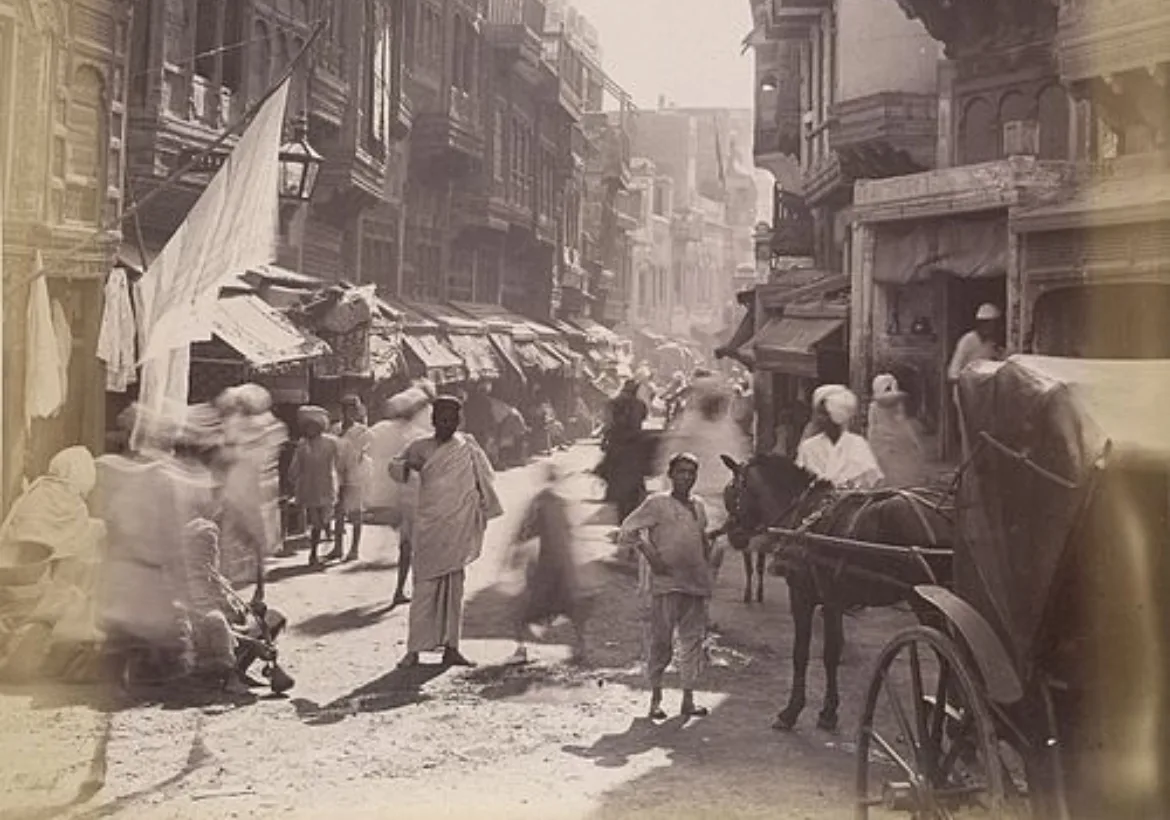
Wander through narrow streets packed with Mughal-era charm, from restored gates to bustling bazaars. This living museum offers food stalls, handicraft shops, and a glimpse into Lahore’s past, perfect for soaking up culture.
Qawali Nights at Data Darbar
Every Thursday, the shrine of Data Darbar comes alive with qawali, where singers pour out soulful spiritual tunes under the night sky. It’s a free, immersive way to feel Lahore’s mystical heartbeat.
Lahore Fort (Shahi Qila)
Lahore Fort, sprawling over a 20-hectare area, started by Emperor Akbar in 1580, is a history buff’s dream. Explore its palaces like Sheesh Mahal, with intricate mirror work, and soak in stories of Mughal emperors.
Badshahi Mosque
Built in 1673 by Aurangzeb, the massive red sandstone mosque stuns with its domes and minarets. It’s a serene spot for history and architecture lovers, holding up to 100,000 worshippers.
Minar-e-Pakistan
Located in Iqbal Park, this 70-meter minaret marks the 1940 Lahore Resolution, a key step toward Pakistan’s independence. It’s ideal for reflective walks or picnics with city views.
Joyland Amusement Park
Joyland is a hit for kids and young folks, offering thrilling rides and arcade games located in Fortress Stadium. It’s a lively spot for family fun, though it gets crowded on weekends.
Lahore Zoo
A family favorite since 1872, this zoo in the city center lets kids spot animals from tigers to peacocks. It’s affordable and fantastic for a relaxed day out, with shaded paths for strolls.
Cinemas in the Emporium and Package Malls
Catch the latest Lollywood or Hollywood flicks in modern theaters at the Emporium or the Packages Mall. Comfy seats and snacks make it a chill hangout for teens and adults.
Picnics at Bagh-e-Jinnah
Bagh e Jinnah, a lush park once called Lawrence Gardens, is perfect for family picnics with expansive lawns and old trees. Bring some snacks, and enjoy a sunny day with kids running free.
Shalimar Gardens
A Mughal masterpiece from 1642, these terraced gardens offer a calm escape for picnics or walks. Their fountains and floral layouts make it a scenic spot for all ages.
Anarkali Bazaar
Dive into this chaotic, colorful market for clothes, spices, and street food. It’s a sensory overload of Lahore’s local vibe, ideal for bargain hunters and foodies.
Modern Malls (Emporium, Dolmen, and Packages)
For a sleek shopping fix, hit Dollmen, Emporium, or Packages Mall. These spots offer global brands, food courts, and air-conditioned comfort, great for families or young shoppers.
Street Food Tours
Explore Lahore’s culinary soul with street food tours in the old city or Anarkali. From spicy chaat to creamy kulfi, it’s a tasty way to experience local flavors.
Rickshaw Rides
Zip through Lahore’s bustling streets in a colorful rickshaw for a fun, authentic ride. It’s a thrilling way to see the city’s sights, especially in the old quarters.
Lahore Weather and Best Time to Visit Lahore: Why Smog Hits and How to Prevent It
Lahore’s weather swings a lot, so timing your trip matters. Summers from June to September get hot, with temperatures hitting 35-45°C, and monsoon rains making it muggy and tough for outdoor activities. Winters from October to May are milder, 10-25°C, with cool evenings ideal for sightseeing. That’s the best time to visit Lahore: clear skies, less heat, and festivals popping up.
But watch for smog, which blankets the city in late fall, especially November to February, turning the air toxic. Why does smog hit Lahore? It’s from crop burning in Punjab fields during October-November, vehicle fumes, factory smoke, and dust, trapping pollutants in cold air. Lahore often tops pollution lists then.
To prevent it, locals and visitors can use masks outdoors, limit car use, support tree planting, and push for cleaner fuels. Indoors, air purifiers help, and staying hydrated fights health hits like breathing issues.
Top Universities in Lahore
With a literacy rate above 80%, Lahore stands among Pakistan’s most educated cities and has long been a cornerstone of learning in South Asia. The city is home to some of the country’s oldest and most prestigious universities, many founded over a century ago. Institutions like the University of the Punjab, established in 1882, and Government College University, dating back to 1864, have shaped generations of scholars, leaders, and thinkers. Here is a brief introduction to the top universities in Lahore:
- University of the Punjab (PU): Founded in 1882, Punjab University is one of the oldest and most respected institutions in Pakistan. Its huge Quaid-e-Azam campus offers programs in almost every field, from law to botany. It’s affordable, lively, and full of opportunities, though the big student crowds can make it feel busy at times.
- Lahore University of Management Sciences (LUMS): LUMS is a top private university in DHA, known for its strong business and economics programs. The modern campus encourages research, startups, and global connections. Getting in is tough, but graduates often go on to top jobs both in Pakistan and abroad.
- Government College University (GCU):Dating back to 1864, GCU is located in the heart of Lahore and carries a legacy of academic excellence. Its historic red-brick buildings, open lawns, and vibrant student societies create a classic university feel. It’s great for those who want quality education in sciences and humanities without a heavy price tag.
- University of Engineering and Technology (UET): Established in 1921, UET is the go-to place for aspiring engineers. Located on GT Road, it’s packed with labs, research centers, and innovation projects. The competition is tough, but it’s worth it for those serious about engineering.
- King Edward Medical University (KEMU): Founded in 1860, KEMU is one of Pakistan’s oldest and most prestigious medical schools. It offers rigorous training, hands-on clinical experience, and a strong reputation among medical professionals worldwide.
- National College of Arts (NCA): NCA is a dream place for creative souls. Set in the old city, it’s known for its art, design, and architecture programs. Small classes, inspiring teachers, and regular exhibitions give students a real chance to grow as artists. Spots are limited, so competition is high.
Top Hotels in Lahore
Lahore has hotels for every kind of traveler, from those who love luxury to those who just want a cozy, clean place to rest. The city’s best hotels blend comfort, good food, and easy access to top attractions like the forts, gardens, and food streets. Here are some of the most popular hotels in Lahore:
- Pearl Continental Lahore: Located on Mall Road, Pearl Continental (PC) is one of Lahore’s classic luxury hotels. It offers great views, a rooftop pool, and a mix of local and international food. It’s perfect for families or business travelers, though some rooms may feel a bit old-fashioned.
- Avari Lahore Hotel: Close to the airport, Avari is ideal for travelers who want convenience and comfort. It has spacious rooms, a large spa, and several restaurants serving everything from desi dishes to continental cuisine. Light sleepers should note, it’s a lively area with some traffic noise.
- The Nishat Hotel: With branches in Gulberg and Johar Town, The Nishat is a modern, stylish choice. It’s attached to shopping malls like Emporium, so you can shop, dine, and relax in one place. The rooms are sleek, and the indoor pool adds to the comfort.
- Faletti’s Hotel Lahore: One of Lahore’s oldest hotels, Faletti’s mixes colonial charm with modern style. It’s near Anarkali and Mall Road, making it perfect for those who love history and culture. The atmosphere is cozy and elegant, but rooms fill up quickly because it’s a boutique hotel.
- The Residency Hotel: Located in a quiet part of the old city, The Residency is a great option for budget travelers. It’s clean, friendly, and serves a hearty breakfast. You won’t find luxury here, but you’ll get comfort and excellent service for a fair price.
Top Hospitals in Lahore
When health hits, Lahore’s facilities step up with skilled teams and cutting-edge gear, blending public access with private polish. All these hospitals cover everything from emergencies to specialties, so choose what is suitable for you.
- Shalamar Hospital: A 500-bed mainstay since 1978 on Jail Road, nailing cardiology and orthopedics with a 24/7 ER and WHO nods, reliable for families, though wait times spike during peaks.
- Hameed Latif Hospital: Central in New Muslim Town, this 300-bed private player excels in neurosurgery and maternity with robotic technology and efficient check-ins, but premiums add up for non-insured.
- Doctors Hospital: Located on Punjab University Road, it’s a 200-bed specialist in oncology and transplants, supported by foreign-trained doctors. The personalized care feels top-tier, making it ideal for complex cases.
- Services Hospital: A government giant on Jail Road with 1,200 beds, it handles trauma and general medical care affordably. Its vast network saves lives in crises, but bureaucracy slows non-urgent cases.
- Jinnah Hospital: A massive public hub near Allama Iqbal Airport, excelling in emergencies and pediatrics with free basics. It serves the masses heroically, though overcrowding tests patience.
- Punjab Institute of Cardiology: Heart-focused on Ferozepur Road, with cutting-edge cath labs and free surgeries for the needy, a lifesaver for cardiac woes, but slots book solid.
FAQs: Common Questions About Lahore
What’s the airport in Lahore?
Allama Iqbal International Airport handles flights in Lahore, named after the poet of the East.
Who’s the Lahore team for PSL?
Lahore Qalandars is a popular cricket side in the Pakistan Super League.
Who built Lahore Fort?
It started under Akbar in 1580, with additions by Jahangir, Shah Jahan, and others.
Who built Badshahi Masjid?
Badshahi Masjid was built by Mughal emperor Aurangzeb in 1671-1673.
How old is Lahore?
Lahore has been around for over 2,000 years, with evidence from ancient digs.
Is Lahore safe for tourists?
Yes, the main areas are fine, but stay alert, like anywhere.
What’s the best food in Lahore?
Try nihari, haleem, or street chaat in Anarkali.
How’s public transport in Lahore?
Metrobus, Electro Buses, and the Orange Line train work well for getting around.
What’s the population of Lahore?
Around 13 million in 2025.
Why is Lahore called the City of Gardens?
Because many ancient parks date back to the Mughal period, like Shalimar.