Capital of Khyber Pakhtunkhwa
Peshawar City - #8 Largest City of Pakistan
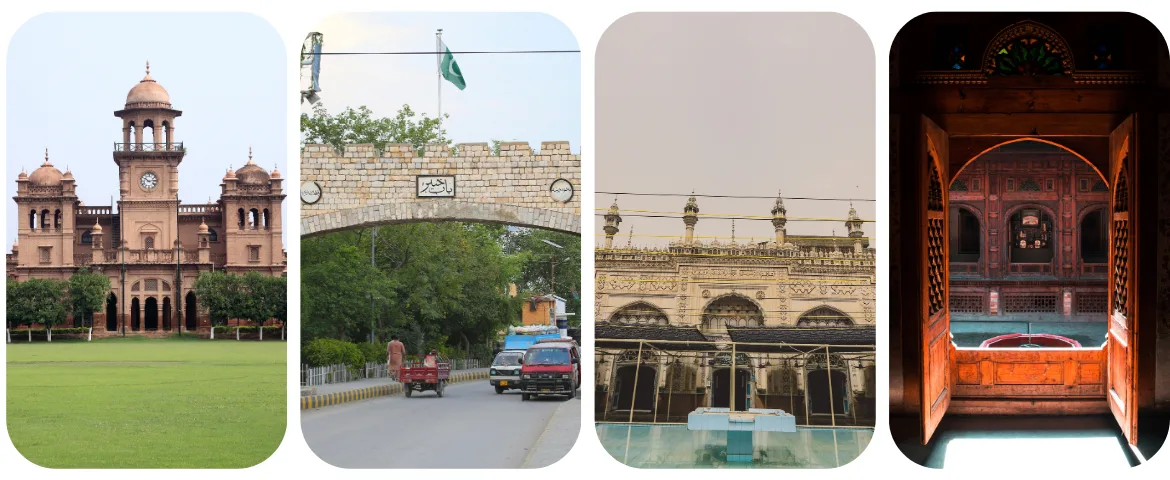
Every empire that passed through, from the Gandhara Kingdom and the Mughals to the Sikhs and the British, left a trace of its influence here. Today, Peshawar blends the past and present with effortless charm. The old bazaars buzz with storytellers and merchants, the aroma of chapli kebabs fills the air, and the sounds of Pashto music echo through narrow lanes lined with centuries-old architecture. For anyone who wants to see the soul of Pakistan, Peshawar is a place that reveals it, raw, proud, and endlessly fascinating. It’s not just a destination; it’s an experience that connects you to history while keeping you firmly grounded in the warmth of its people and the rhythm of everyday life.

Check All
Best 3, 5 & 7Day Peshawar Packages

Gateway to History, Culture & Adventure
History & Importance of Peshawar City
Sightseeing Peshawar Tour Starting from 10,000/-pkr
Peshawar’s roots go far deeper than most cities in the region. Archaeological findings trace its existence back to around 539 BCE, making it one of the oldest continuously populated cities in South Asia. It was once known as Purushapura, the capital of the Gandhara civilization, a kingdom that flourished as a center of Buddhist art and learning.
During Gandhara’s peak, monks, traders, and artists from across Asia passed through Peshawar, turning it into a hub for knowledge and creativity. The famous Kanishka Stupa, built during the reign of King Kanishka of the Kushan Empire, stood here, a monumental structure that once symbolized peace and enlightenment. Though only traces remain today, its historical significance still defines Peshawar’s spiritual legacy.
As centuries rolled on, new empires took over. The Mughals left behind intricate mosques, gardens, and havelis. Emperor Babur often mentioned Peshawar in his memoirs, praising its beauty and gardens. Later, under Sikh rule, the city saw new fortifications and administrative reforms, before eventually coming under British control in the 19th century.
Each empire shaped Peshawar differently. The Bala Hisar Fort, perched above the city, served as the royal residence of Afghan Durrani kings before becoming a British garrison. From its high walls, you can still see the sprawl of old Peshawar, a mix of narrow alleys and domed rooftops.
Another iconic place is the Qissa Khwani Bazaar, literally the “Market of Storytellers.” Centuries ago, travelers would gather here around tea stalls to share tales from distant lands. Today, it’s still full of life, shopkeepers selling spices, copperware, and traditional shoes, while the aroma of green tea and chapli kebab fills the air.
Peshawar’s history isn’t just written in books; it’s alive in its streets. Every corner tells a story, every building has witnessed change, and the people carry that legacy proudly in their traditions.
Population & Demographics of Peshawar City
As of 2025, Peshawar’s population stands at around 2.3 million people, making it Pakistan’s 8th largest urban city. The majority are Pashtuns, though you’ll also find communities of Hindko and Persian speakers, especially in the older quarters.
The city has grown rapidly over the past two decades, attracting migrants from nearby districts and even from Afghanistan due to trade and employment. While much of Peshawar is urbanized, a strong rural connection still exists; people maintain ties with ancestral villages and uphold tribal customs even in the city’s heart.
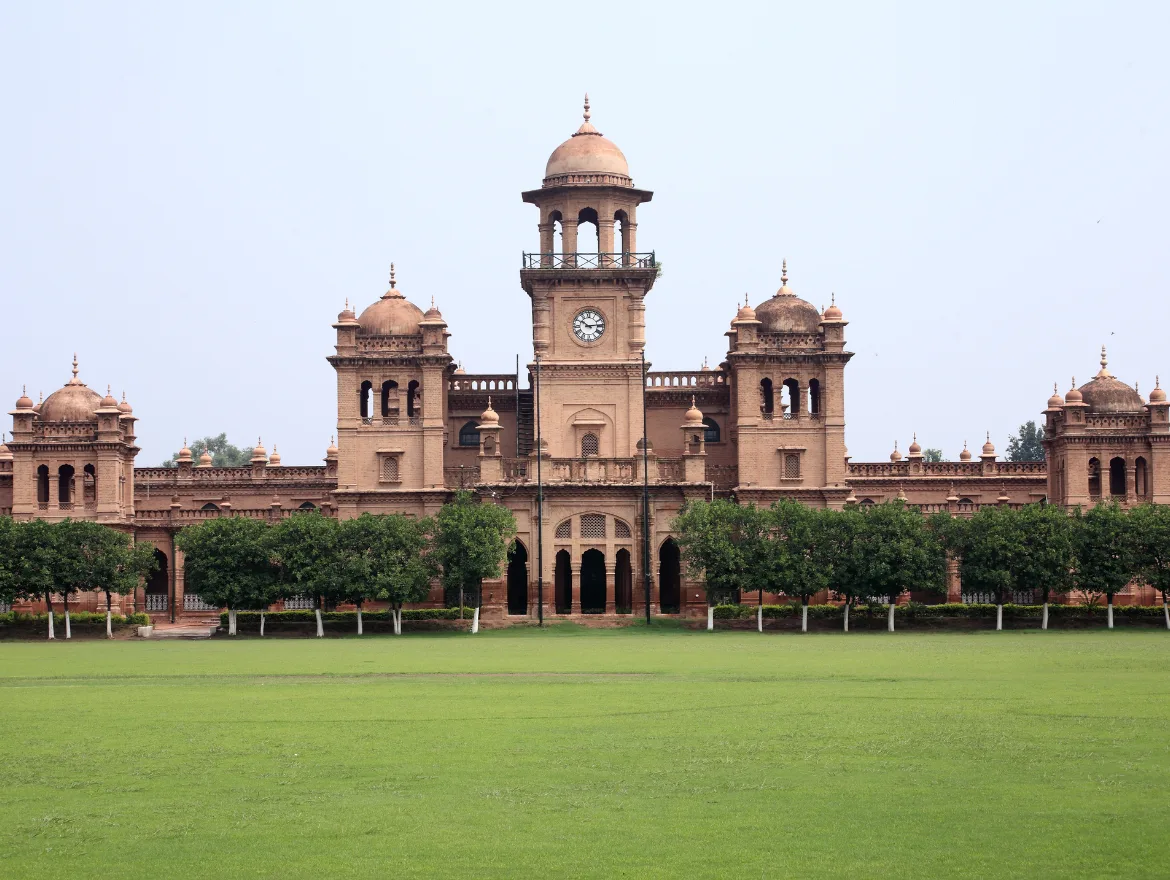
Education has seen steady improvement. Literacy rates have climbed in recent years, with more private schools and universities opening up, such as the University of Peshawar and Islamia College University. Women’s education, while still facing challenges, is also gaining traction, helped by awareness campaigns and NGO support.

Famous Places & Things to Do in Peshawar City
Peshawar is packed with places that tell stories. Start at the Peshawar Museum, one of the finest in South Asia for Gandhara art. Its galleries are filled with ancient statues of Buddha, relics from Kushan kings, and artifacts that trace the city’s Buddhist past.
Then move to Bala Hisar Fort, a powerful symbol of Peshawar’s resilience. From the top, you can see the entire city sprawled below, the old bazaars, the rooftops, and the newer buildings merging with history.
The Qissa Khwani Bazaar is another must-see. Once the meeting place of storytellers, it now buzzes with vendors selling dry fruits, tea, and brassware. You’ll find it impossible to leave without a story or two of your own.
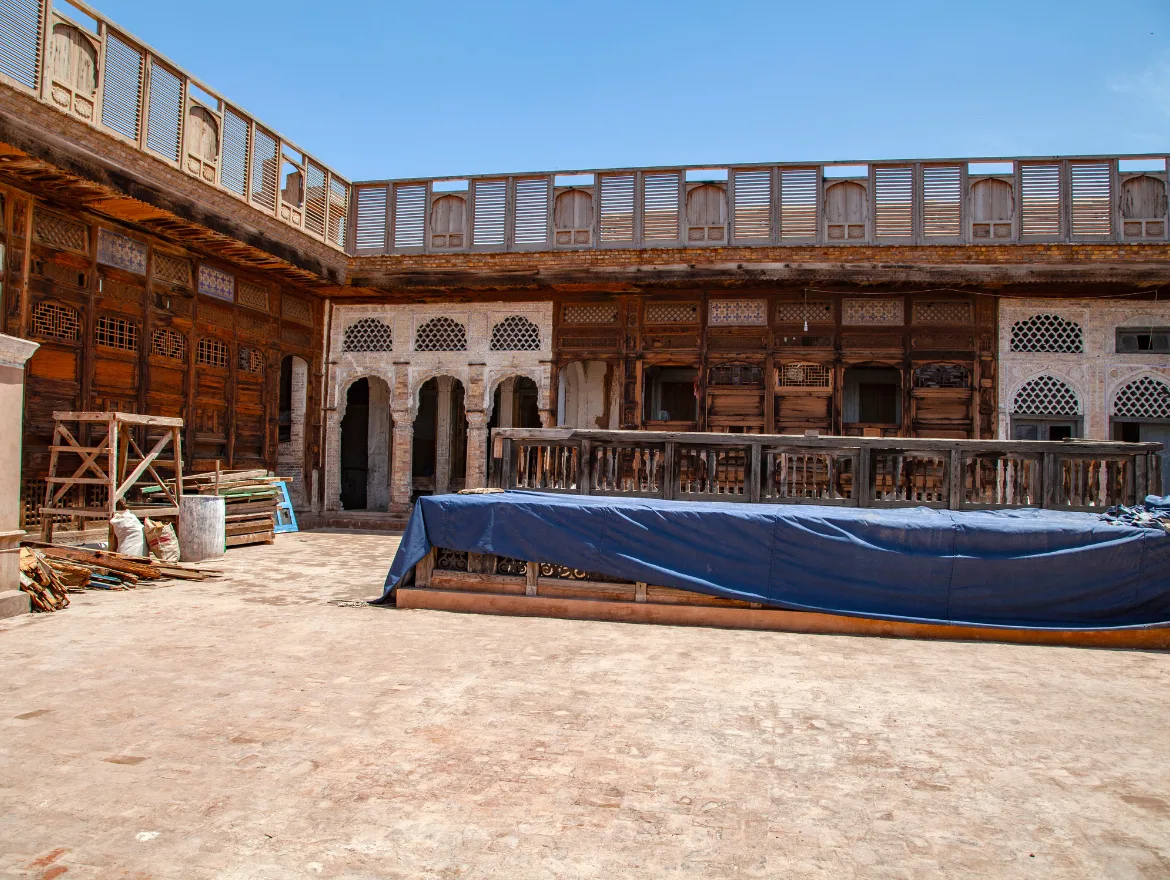
For architecture lovers, the Sethi House offers a glimpse into 19th-century merchant life. Its wooden balconies, stained-glass windows, and intricate designs reflect a time when craftsmanship was art.
Just outside the city, the Jamrud Fort guards the entrance to the Khyber Pass, a legendary route that connected South Asia to Central Asia. A short excursion here offers breathtaking views and a sense of walking through pages of history.
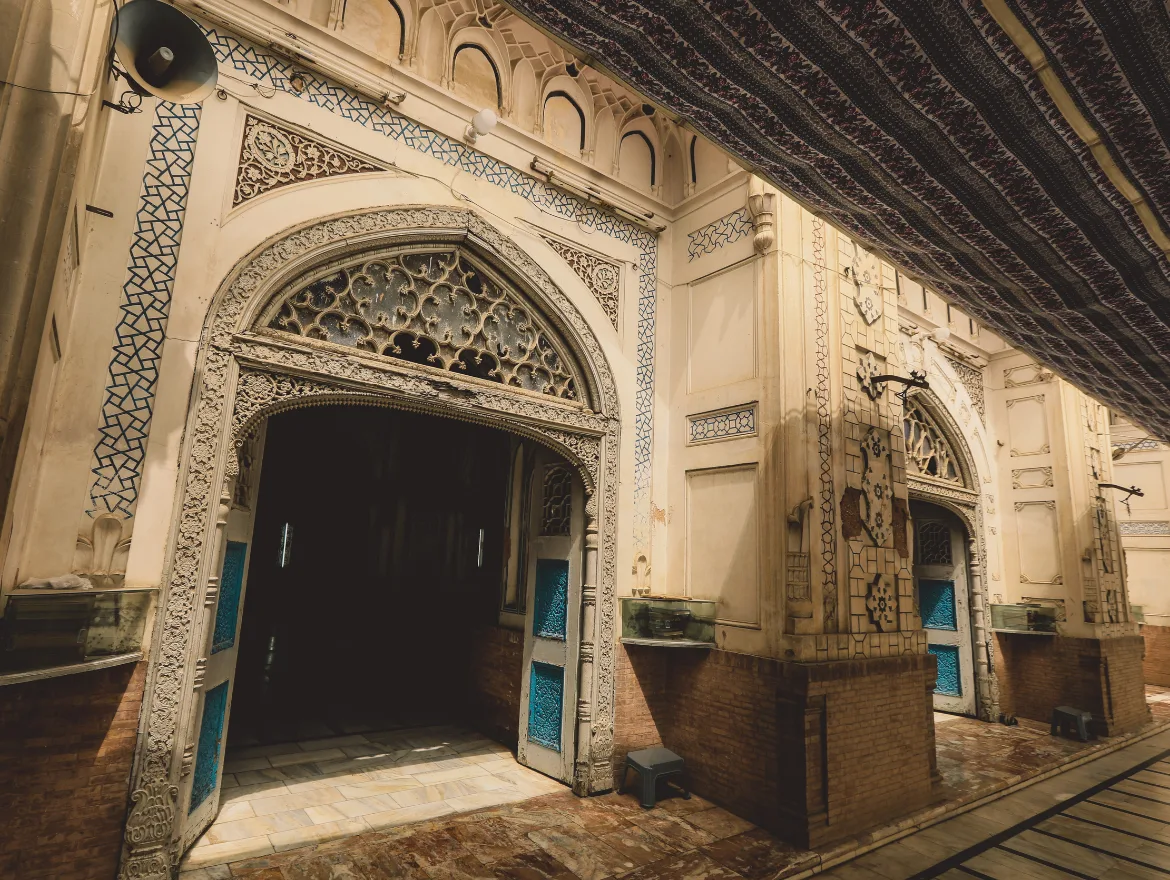
Don’t miss the Mahabat Khan Mosque, a Mughal-era marvel with white domes, marble floors, and delicate floral frescoes. Nearby, Chowk Yadgar stands as a memorial square where locals gather, often surrounded by the chatter of shopkeepers and the honking of rickshaws.
And finally, take a stroll through Islamia College, a colonial-era landmark that played a vital role in Pakistan’s independence movement. Its grand architecture still inspires students today.
Things to Do in Peshawar
Spend your mornings wandering through bazaars like Qissa Khwani and Ander Shehr, where you can shop for traditional crafts, silver jewelry, or vintage coins. Don’t rush; these streets are meant to be explored slowly.
In the evenings, head to Namak Mandi to experience local food the way it’s meant to be, grilled fresh, served hot, and eaten with your hands.
For art and music lovers, catching a Pashto poetry night or folk music concert is a must. The energy is raw, emotional, and deeply rooted in local culture.
If you’re into history, join a guided walking tour of the old city. Many local guides share hidden stories and folklore passed down through generations. And when you need a break, stop at a traditional tea house or rooftop café overlooking the bazaar; the view of Peshawar at sunset is unforgettable.
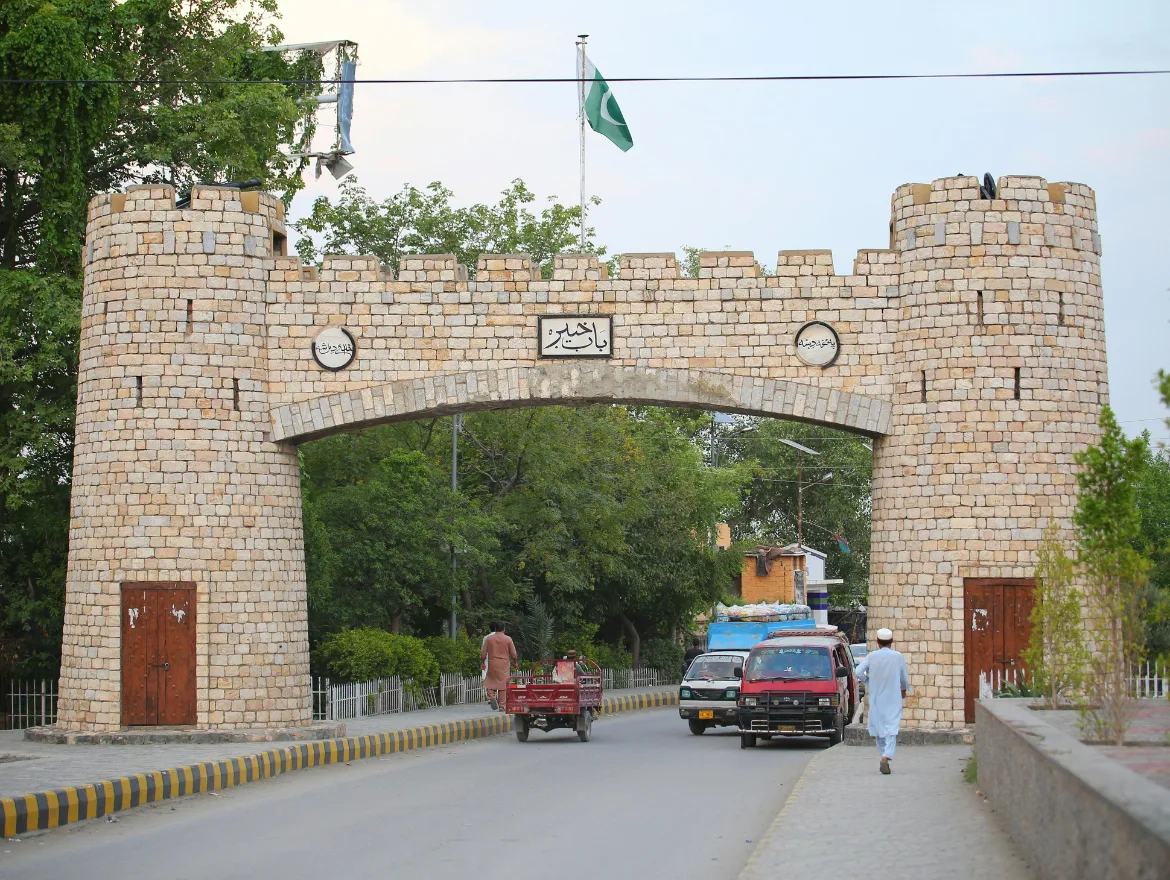
Peshawar Places: Khyber Pass
Shopping & Souvenirs
Peshawar’s bazaars are a paradise for shoppers who love traditional craftsmanship. You’ll find handwoven carpets, brass and copperware, Peshawari chappals, and beautifully embroidered shawls. Many shops also sell tribal jewelry, antiques, and decorative artifacts, perfect keepsakes that carry the city’s spirit. Bargaining is common, so go with a friendly smile and a bit of patience; it’s all part of the fun.
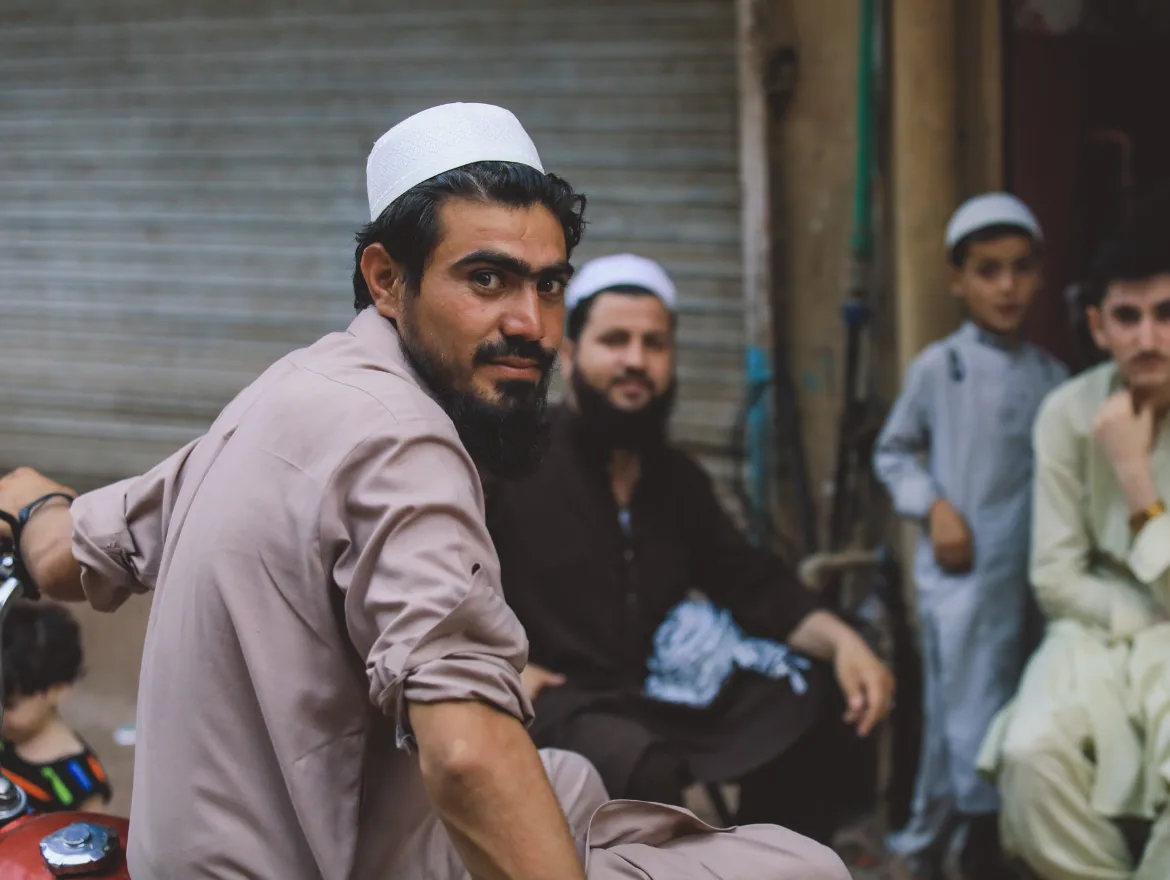
People of Peshawar
Where to Stay
Peshawar offers a mix of comfort levels for every traveler. If you’re on a budget, Green’s Hotel and Shelton’s Rezidor provide affordable stays near main attractions.
For mid-range comfort, Pearl Continental Peshawar and Hotel Grand are reliable options with good amenities, restaurants, and security.
For something more unique, The Nishtar Haveli gives a boutique experience, set in a restored heritage building that captures old Peshawar’s charm.
How to roam around in Peshawar city?
Moving around Peshawar is easy and quite fun if you don’t mind a little chaos. For short rides, rickshaws and taxis are the go-to options. App-based services like Indrive or Peshawar Rent a car operate across the city for convenient and safe travel.
If you’re feeling adventurous, try local buses and vans, they’re inexpensive but often crowded. For the old city, walking tours are ideal, as many historic sites sit close to one another.
How is the Weather in Peshawar?
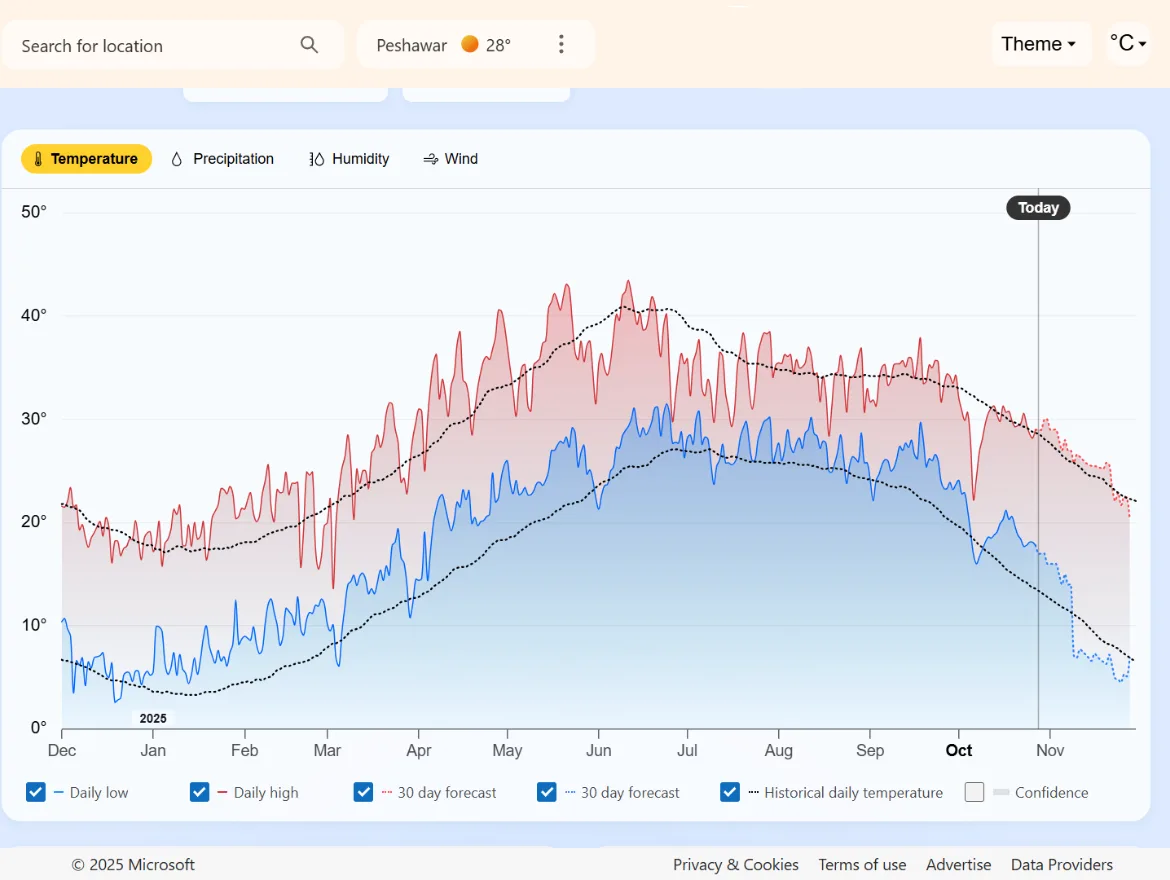
Peshawar’s climate is semi-arid, which means hot summers and mild winters. From May to August, temperatures can soar to 40°C, making afternoons dry and intense. Monsoon showers in July and August bring some relief but don’t last long.
Winters, from December to February, are far more pleasant. Temperatures drop to around 5–15°C, and the mornings can feel crisp, especially when fog rolls in from the mountains. This period, October to March, is considered the best time to visit Peshawar. The weather is perfect for sightseeing, tea sessions in open courtyards, and long walks through old bazaars without the summer heat wearing you out.
Frequently Asked Questions (FAQ)
Q: Is Peshawar safe for tourists?
Yes, it’s generally safe with proper precautions. Stick to known areas, travel with local guidance, and avoid wandering alone late at night.
Q: What is the best time to visit Peshawar?
Between October and March, when the weather is mild, the city hosts various cultural events.
Q: What language is spoken in Peshawar?
Mainly Pashto, but Urdu and English are also widely understood.
Q: Can I visit the Khyber Pass from Peshawar?
Yes, but you’ll need special permission or a guided tour, as it’s a restricted border area.
Q: What food should I try in Peshawar?
Don’t miss Chapli Kebab, Kabuli Pulao, and the BBQs at Namak Mandi. They’re legendary for a reason.