The Benefits of the China-Pakistan Economic Corridor (CPEC)
Table of Contents
The China-Pakistan Economic Corridor (CPEC) is a game-changer for Pakistan, especially for its northern regions. This massive project is more than just roads and pipelines it’s a lifeline for growth, opportunity, and connection. From better infrastructure to booming tourism, CPEC is transforming lives. Let’s dive into why this corridor is such a big deal, how it strengthens the bond between Pakistan and China, and what it means for the future.
A Boost for Northern Pakistan
CPEC is pouring huge investments into Pakistan’s northern areas, like Gilgit-Baltistan and the Hunza Valley. These regions, often overlooked in the past, are now in the spotlight. The corridor stretches through stunning places like Sost, Passu, Gojal, and Hunza, bringing new opportunities to local communities.
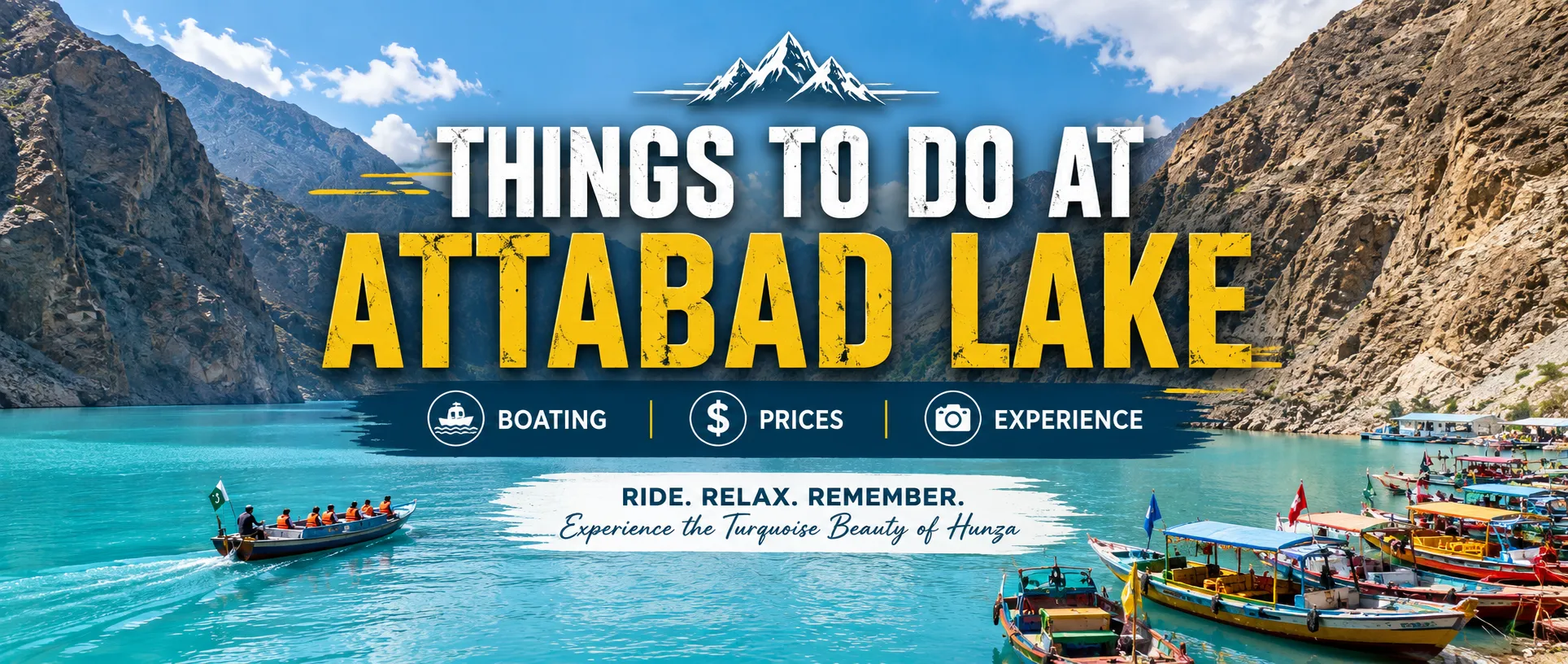
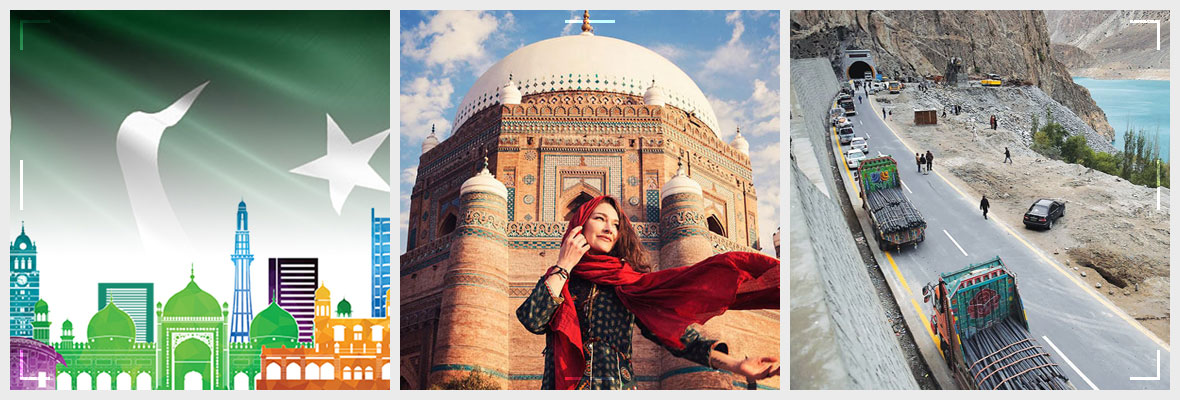
Take the roads, for example. Not long ago, a natural disaster created Attabad Lake, which wrecked the road network near the Khunjerab Pass, a key link to China. Travel and trade suffered. Now, CPEC is fixing that. New highways are making travel smoother and faster. Better roads mean easier access to markets, schools, and hospitals. The infrastructure is already looking sharper, and it’s just the beginning.
Jobs and Economic Growth
CPEC isn’t just about concrete and steel; it’s about people. The project is creating jobs, especially for locals in northern Pakistan. From construction workers to tour guides, new opportunities are popping up. As businesses grow, so does the economy. More money in people’s pockets means better living standards. Families can afford better homes, healthcare, and education.
Speaking of healthcare, CPEC is helping improve hospitals in remote areas. New medical centers are opening, and existing ones are getting upgrades. This means better care for people who once had to travel far for treatment. Education is also getting a boost. New schools and training programs are springing up, giving kids and young adults a brighter future.
A Tourism Boom through CPEC
Northern Pakistan is a hidden gem, with its breathtaking mountains, valleys, and lakes. But for years, it stayed off the global radar. CPEC is changing that. Improved roads and infrastructure are making it easier for tourists to visit places like Hunza Valley, Naran Kaghan, and Skardu. New hotels and guesthouses are opening to welcome visitors. Local businesses, like restaurants and shops, are thriving as more people come to explore.
Tourism doesn’t just bring money; it builds bridges. As more visitors arrive, they share ideas and cultures with locals. This people-to-people connection strengthens Pakistan’s ties with the world. Plus, the influx of tourists creates even more jobs, from drivers to artisans selling handmade crafts.
Strengthening Pakistan-China Friendship
CPEC is more than an economic project; it’s a symbol of friendship between Pakistan and China. Leaders from both countries, like former Chinese President Xi Jinping and Pakistan’s Nawaz Sharif, have championed this initiative. Their vision? To connect Gwadar Port in southern Pakistan to China’s Xinjiang region through highways, railways, and pipelines.
This corridor is a gateway for trade. It links China to the Middle East and Africa, making it easier to move goods like oil and gas. For example, oil from the Persian Gulf can now be offloaded at Gwadar and transported to China through Pakistan. This cuts the usual 12,000-kilometer journey by a huge margin, saving time and money.
The partnership goes beyond trade. It’s about trust and collaboration. China has invested heavily in Pakistan, from building Gwadar Port to upgrading the Karakorum Highway. These projects show a shared commitment to growth and prosperity. As the corridor develops, it’s fostering stronger ties between the two nations, with more exchanges of culture, ideas, and opportunities.
Transforming Gwadar Port
Gwadar Port is the heart of CPEC. Located near the Persian Gulf, it’s being transformed into a major deep-water commercial hub. China took over its management in 2013, and since then, it’s been growing fast. New facilities are being built, and a world-class airport is in the works. This port isn’t just for Pakistan, it’s a key player in global trade, connecting Asia, the Middle East, and beyond.
The port’s growth is a win for Baluchistan, one of Pakistan’s less-developed provinces. New jobs are being created, from port workers to logistics staff. The ripple effect is huge. Local businesses are booming, and the region is getting more attention from investors. Gwadar is no longer just a small coastal town; it’s becoming a global trade hub.
Connecting Central Asia
CPEC isn’t just about Pakistan and China; it’s opening doors for Central Asia too. This region, historically cut off due to its geography, is now getting access to the sea. New highways, railways, and fiber-optic cables are linking remote areas to the global market. For example, a fiber-optic cable from the Chinese border to Rawalpindi is boosting internet connectivity, which is key for businesses and education.
This connectivity is a game-changer. Central Asian countries can now trade more easily with the world. Goods, ideas, and opportunities are flowing like never before. For Pakistan, this means more economic activity and a stronger role in regional trade.
How to Reach Hunza from Islamabad
Want to visit the stunning Hunza Valley? Getting there from Islamabad is easier than ever, thanks to CPEC’s improved roads. Here’s how you can make the trip:
- By Road: The most popular option is driving or taking a bus. The Karakorum Highway, upgraded through CPEC, connects Islamabad to Hunza. The journey takes about 12-14 hours, depending on traffic and stops. Luxury buses and private cars are available, offering a comfortable ride with scenic views.
- By Air: Fly from Islamabad to Gilgit, which takes about an hour. From Gilgit, Hunza is a 2-3 hour drive. Flights are weather-dependent, so check schedules in advance.
- Guided Tours: All our tour packages from Islamabad to Hunza, including transport, accommodation, and guided visits to attractions like Attabad Lake, Khunjerab Pass, and Passu Cones.
No matter how you travel, the journey is an adventure. You’ll pass through breathtaking landscapes, from rugged mountains to serene rivers.
Challenges and Opportunities in CPEC for Pakistan
Like any big project, CPEC has its challenges. Some worry about the cost of loans and whether Pakistan can repay them. Others point to environmental concerns or the need for more local involvement. These are valid concerns, and both countries are working to address them. For example, efforts are being made to ensure projects are sustainable and benefit local communities.
But the opportunities far outweigh the challenges. CPEC is creating a brighter future for millions. It’s bringing jobs, better infrastructure, and global connections to Pakistan. For the northern regions, it’s a chance to shine on the world stage. For Pakistan and China, it’s a partnership that’s building a stronger, more prosperous future.
Final Thoughts
The China-Pakistan Economic Corridor is more than just a project; it’s a vision for progress. It’s about connecting people, boosting economies, and opening new doors. From the bustling port of Gwadar to the serene valleys of Hunza, CPEC is transforming Pakistan. It’s creating jobs, improving lives, and strengthening ties with China and the world.
For locals, it means new opportunities to grow and thrive. For tourists, it’s a chance to explore Pakistan’s hidden treasures. And for the region, it’s a step toward a more connected, prosperous future. As CPEC continues to grow, its impact will be felt for generations to come.
So, whether you’re planning a trip to Hunza or dreaming of Pakistan’s bright future, CPEC is paving the way. Get ready to witness a new era of growth, opportunity, and friendship.
Book your Tour Now: